Heat tracing has become an essential technology across many industries in Malaysia, ensuring process reliability, safety, and efficiency in a tropical climate where humidity and temperature fluctuations impact critical operations. As local industries modernize, understanding the future of heat tracing—its industry trends, technological advancements, and adoption pathways—has never been more important for system integrators, maintenance managers, and engineers.
Understanding Heat Tracing: The Foundation of Process Reliability
Heat tracing refers to the application of specialized heating elements or cables along pipes, vessels, tanks, and process equipment to maintain or raise temperatures. In Malaysia, this technology is widely used in sectors such as chemicals, oil & gas, plastics processing, food manufacturing, and electronics. By preventing condensation, freezing, and viscosity changes, heat tracing ensures uninterrupted production and product quality.
Conventional heat tracing systems involved basic resistance cables and manual control. However, increasing energy costs, stricter safety standards, and the demand for process precision have driven a shift towards advanced electric heat tracing systems, integrating smart controls and sensors.
Key Drivers Shaping Heat Tracing Adoption in Malaysia
- Industrial Expansion: Malaysia’s growth as a manufacturing and processing hub is fueling demand for efficient heating solutions to support continuous, high-throughput operations.
- Climate Resilience: High humidity and rainfall make humidity and temperature management essential, especially for sensitive electronics, food, and chemical processes.
- Process Safety & Compliance: Regulatory requirements for process safety, particularly in hazardous environments, are prompting industries to adopt more reliable and monitored heat tracing systems.
- Energy Efficiency Initiatives: Rising energy costs and environmental goals are pushing companies to seek heat tracing solutions with intelligent controls, better insulation, and optimized power usage.
Emerging Technology Trends in Heat Tracing Malaysia
The landscape of heat tracing in Malaysia is rapidly evolving. Key technological trends include:
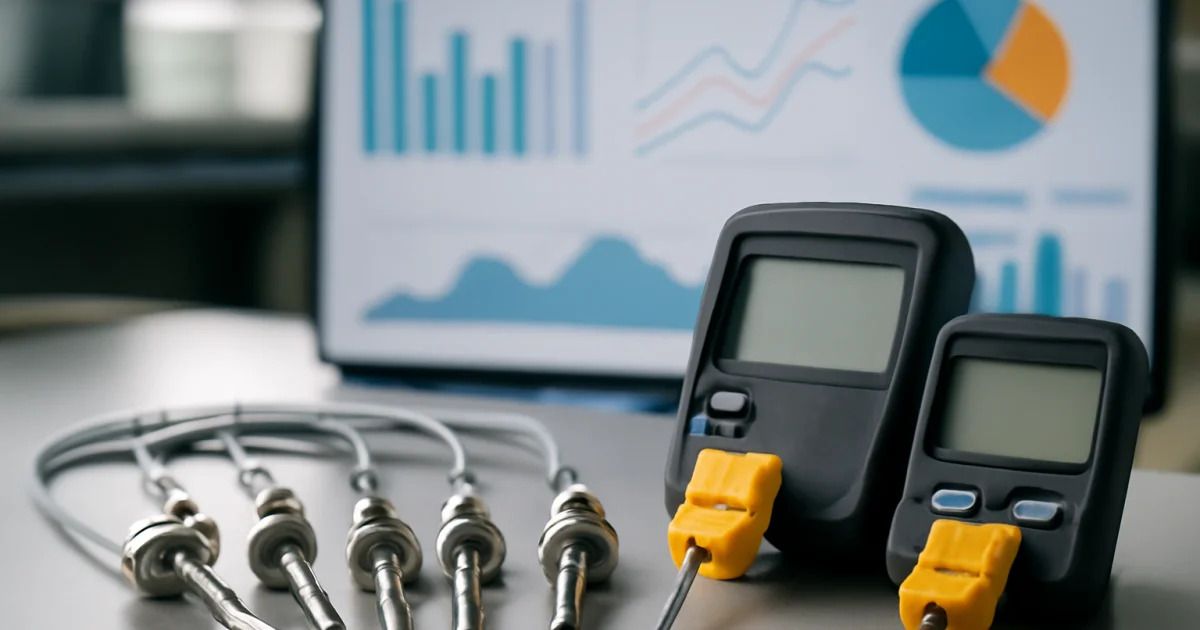
- Smart Temperature Sensors: Integration of advanced thermocouples and RTD sensors for real-time temperature feedback and automated control.
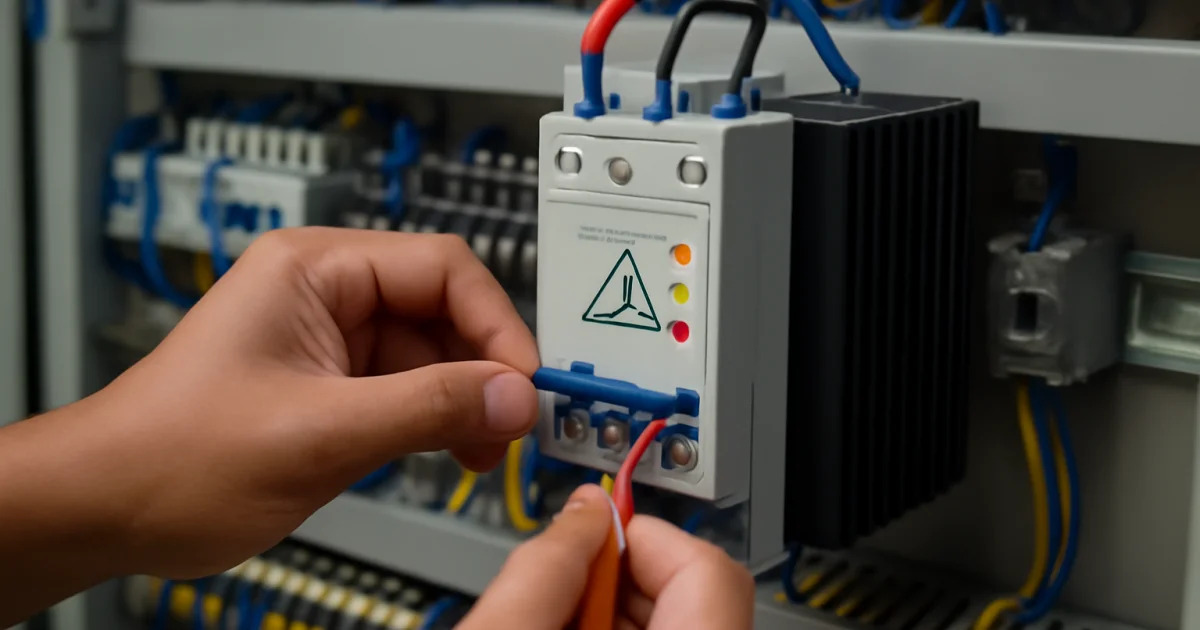
- Digital Controllers & Process Automation: Adoption of microprocessor-based temperature controllers, digital process panel meters, and PLC integration for optimized, remote management.
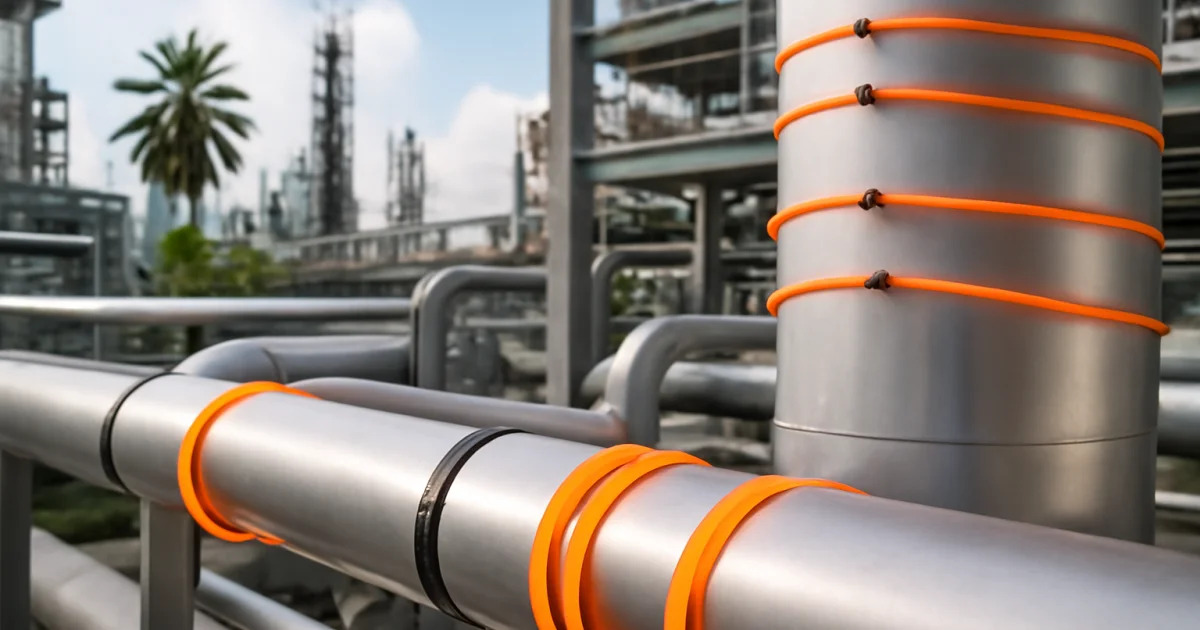
- Self-Regulating Heating Cables: Growing use of self-regulating cables that automatically adjust output based on ambient temperature, reducing energy waste and risk of overheating.
- IoT Connectivity: Internet of Things (IoT) enabled heat tracing systems allow for predictive maintenance, remote monitoring, and data-driven optimization.
- Custom-Engineered Solutions: Increased demand for custom heating solutions tailored to specific process requirements, voltages, wattages, and installation environments.
Industry Adoption: Practical Examples and Case Studies
Let’s explore how Malaysian industries are adopting new heat tracing technologies:
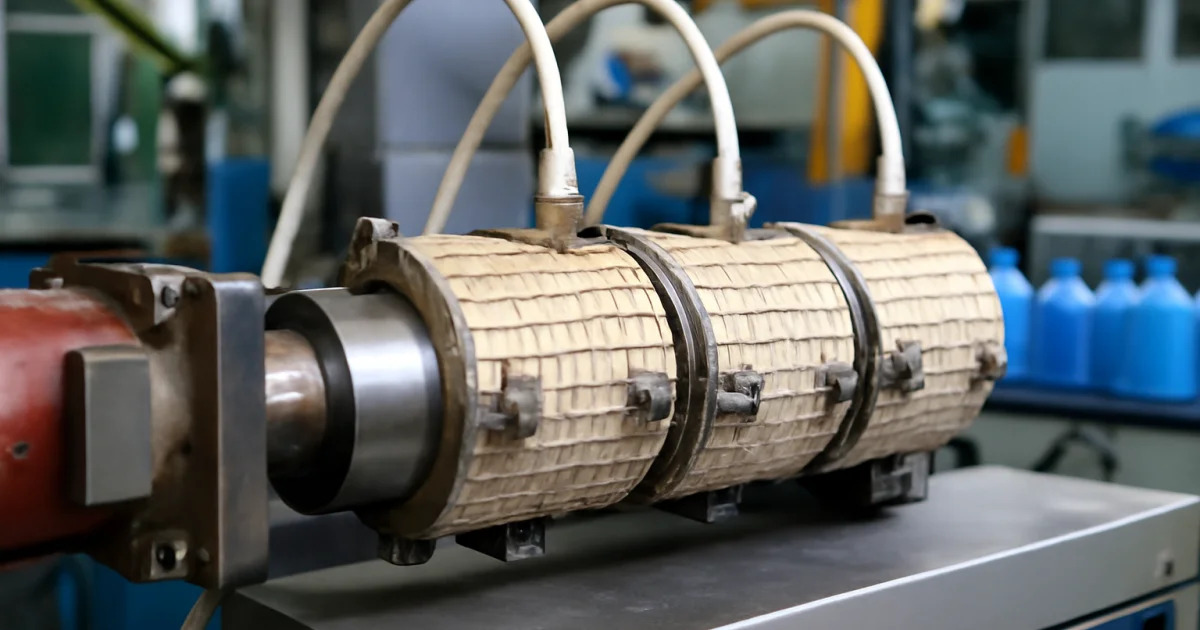
- Plastic Processing: Injection moulding and extrusion companies utilize ceramic and band heaters for precise temperature control of barrels, dies, and nozzles, ensuring product uniformity and reducing downtime.
- Food Manufacturing: Food processing plants implement heat tracing on pipelines and storage tanks to prevent solidification of edible oils and maintain hygienic temperature control, supporting food safety and compliance.
- Electronics Manufacturing: Sensitive electronics and semiconductor production require tight temperature regulation, achieved through custom cartridge heaters, precise thermocouples, and advanced digital controllers.
- Chemical & Petrochemical: Large refineries and chemical plants deploy self-regulating heat tracing systems on long pipe runs and tanks to prevent condensation and support safe, continuous operation.
These use cases demonstrate that heat tracing is not just a utility but a strategic enabler for manufacturing excellence in Malaysia.
Adoption Challenges and Solutions for Malaysian Industry
While the benefits are clear, organizations often encounter challenges when evaluating or deploying heat tracing systems:
- System Complexity: Integrating heaters, sensors, and controllers into existing infrastructure can be complex. Solution: Engage suppliers offering turnkey, engineered systems with technical support.
- Energy Management: Inefficiencies can arise from poorly matched heater types or outdated controls. Solution: Upgrade to intelligent, energy-efficient controllers and use process panel meters for real-time monitoring.
- Maintenance Burden: Manual checks on heating elements and sensors are time-consuming. Solution: IoT-enabled monitoring and predictive maintenance reduce downtime and labor costs.
- Safety & Compliance: Ensuring safe installation, especially in hazardous zones, demands expertise. Solution: Work with experienced suppliers who understand local regulations and can supply certified components.
Partnering with a knowledgeable supplier like HQ Heating Sdn. Bhd. ensures access to a full suite of industrial heating products and technical consultation, helping companies overcome these hurdles.
The Role of Integrated Heating Solutions in Future Industrial Systems
Modern manufacturing increasingly requires not just heaters, but fully integrated systems combining heating elements, temperature sensors, process controllers, and monitoring devices. For industrial system integrators and equipment builders, the trend is towards modular, scalable solutions that can be seamlessly embedded into new or retrofit projects.
Integrated heat tracing systems offer several advantages:
- Precision: Accurate, consistent temperature control for sensitive processes.
- Automation: Reduced human intervention and minimized risk of error.
- Data Transparency: Enhanced visibility into system performance and energy consumption.
- Rapid Response: Automated alerts for faults or temperature deviations, supporting proactive maintenance.
Suppliers like HQ Heating Sdn. Bhd. offer one-stop sourcing for all critical components—industrial electrical heaters, ceramic and band heaters, cartridge heaters, thermocouples, RTD sensors, temperature controllers, and digital process indicators—making integration more efficient.
Regulatory, Environmental, and Market Factors Influencing Heat Tracing
Several external trends are shaping the future of heat tracing in Malaysia:
- Regulatory Compliance: Malaysian regulations and international standards (e.g., ATEX, IECEx) are increasingly enforced, especially for hazardous environments. This drives demand for certified, robust heating solutions.
- Environmental Sustainability: Companies are under pressure to reduce energy consumption and carbon emissions. Advanced heat tracing systems with self-regulation and smart controls are vital for meeting sustainability targets.
- Market Globalization: Export-oriented manufacturers must meet stringent quality and safety standards, increasing the need for reliable temperature management solutions.
- Digital Transformation: Industry 4.0 adoption is accelerating, with more manufacturers seeking digital, connected, and data-driven process heating systems.
These drivers make the selection of the right heat tracing solution more critical than ever, especially for factories aiming to optimize operations for both local and international markets.
How to Assess, Specify, and Implement Heat Tracing Solutions
For maintenance managers, engineers, and system integrators, implementing a future-ready heat tracing system requires a structured approach:
- Assess Process Requirements: Evaluate the specific temperature control needs, process flow, and environmental conditions.
- Choose the Right Heater Type: Select from band, ceramic, cartridge, or finned heaters based on application. For more guidance, see Choosing The Right Industrial Heater.
- Integrate Smart Controls: Use digital temperature controllers, hot runner controllers, or PLCs for automated, precise management.
- Incorporate Quality Sensors: Install thermocouples, RTD sensors, or humidity/temperature transmitters for accurate monitoring.
- Plan for Maintenance: Consider IoT-enabled systems for remote diagnostics and predictive maintenance.
- Work with an Expert Supplier: Partner with a reputable heating system supplier in Malaysia for technical support and custom solutions. For more on energy efficiency, read Industrial Heater Malaysia Energy Efficiency Solutions.
Following these steps ensures not just compliance and safety, but operational excellence and future scalability.
Practical Tips for Successful Heat Tracing Adoption
- Prioritize System Compatibility: Ensure new heating elements and controllers are compatible with existing equipment.
- Focus on Energy Management: Take advantage of self-regulating cables and programmable controls for optimal power usage.
- Document and Train: Maintain clear documentation and provide training for maintenance teams to maximize system longevity.
- Schedule Regular Reviews: Periodically assess system performance, insulation integrity, and controller calibration.
- Stay Updated: Keep informed about new technologies, local regulations, and supplier offerings to keep your systems competitive.
Scenario Analysis: Heat Tracing Malaysia in Practice
To further illustrate the real-world value of heat tracing, consider a scenario involving a medium-sized food processing plant in Selangor. The facility faces frequent temperature fluctuations due to seasonal weather changes, causing edible oil pipelines to experience periodic solidification. By investing in a tailored heat tracing solution with self-regulating heating cables, digital controllers, and humidity sensors, the plant achieves:
- Consistent Product Flow: Edible oils remain at the optimal viscosity, reducing production stoppages and waste.
- Energy Savings: Smart controllers reduce power consumption by regulating heat output based on real-time sensor data.
- Improved Safety: Reduced risk of pipeline blockages and decreased need for manual intervention results in fewer workplace incidents.
- Regulatory Compliance: Automated documentation of temperature and humidity data supports food safety audits and compliance reporting.
Such an approach demonstrates both immediate operational benefits and long-term business value, making a compelling case for investment in advanced heat tracing systems.
Common Mistakes in Heat Tracing Projects (and How to Avoid Them)
- Underestimating Environmental Factors: Failing to account for high humidity, insulation losses, or exposure to chemicals can result in underperforming systems. Always conduct a thorough site assessment.
- Improper Heater Sizing: Selecting heaters that are too powerful or too weak can cause inefficiency or process failures. Use engineering calculations or consult suppliers to ensure correct sizing.
- Ignoring Maintenance Planning: Overlooking regular inspection and calibration of heating and control devices leads to unplanned downtime. Set up a preventive maintenance schedule and leverage IoT diagnostics if available.
- Poor Integration with Automation: Not integrating heat tracing controls with plant automation systems can limit efficiency gains. Ensure controllers communicate with PLCs or SCADA where possible.
- Lack of Documentation: Failing to maintain up-to-date wiring diagrams, control logic, and equipment records creates confusion during troubleshooting. Implement good documentation practices from the start.
Comprehensive Heat Tracing Checklist for Malaysian Factories
- Define critical process lines and temperature maintenance goals.
- Identify regulatory and safety requirements for your industry.
- Select heater types and control solutions suited to each application.
- Assess the need for remote monitoring and data logging.
- Plan installation for minimal disruption to ongoing production.
- Train team members on system operation and emergency procedures.
- Set up inspection intervals and performance reviews.
- Maintain a relationship with a responsive supplier for ongoing support.
Expanding the Value: Beyond Compliance and Efficiency
While compliance and efficiency are often the main drivers for adopting advanced heat tracing, leading manufacturers in Malaysia are leveraging these systems for broader strategic gains. Integrated heat tracing solutions can play a role in digital transformation by enabling predictive analytics, real-time process optimization, and seamless data sharing with enterprise resource planning (ERP) platforms.
For instance, real-time monitoring data from heat tracing systems can be used to anticipate equipment failures before they occur, inform supply chain decisions, and support sustainability reporting. The ability to analyze historical performance trends also allows management to identify energy-saving opportunities and optimize maintenance schedules.
Conclusion: Heat Tracing Malaysia—Towards a Connected, Efficient Future
The future of heat tracing in Malaysia will be defined by digitalization, energy efficiency, and the integration of smart, automated systems. As industries evolve, adopting advanced heat tracing technologies will be essential for maintaining product quality, process reliability, and regulatory compliance. Companies that invest in modern heat tracing solutions—working with expert partners and leveraging the latest heaters, sensors, and controllers—will be well-positioned to thrive in a competitive industrial landscape.
For industrial system integrators, maintenance managers, and engineers, now is the time to assess your heat tracing strategy. Choosing the right supplier, such as HQ Heating Sdn. Bhd., ensures access to a full spectrum of products and expertise, supporting your journey towards safer, more efficient, and digitally connected operations.
Heat Tracing Site Survey: What to Prepare Before You Request a Quote
Before asking a supplier for a heat tracing quotation, collect the pipe or vessel size and material, line length, insulation type and thickness, required maintain temperature, lowest ambient temperature, supply voltage and whether the area is hazardous. With these details the system can be sized correctly the first time, and a pilot circuit can be tested before the whole plant is rolled out.
- Confirm pipe or vessel size, line length, insulation and maintain temperature.
- Note any hazardous-area classification so certified components are quoted.
- Choose the controller and sensor type (thermocouple or Pt100) for each circuit.
- Plan a pilot circuit and a review date before extending to the whole plant.
Reducing Heat Tracing Project Risk
Most heat tracing problems come from wet or damaged insulation, undersized heaters, or sensors placed in the wrong spot. Check insulation and cable terminations before commissioning, set a high-temperature alarm, and agree what happens if a circuit trips so production is not caught off guard.
Improving Heat Tracing Performance from Measured Results
Log circuit temperatures and power use after commissioning, then compare dry-season and rainy-season readings. Use the data to tune controller set points, find cold spots, and schedule inspection of cables and insulation.
Frequently Asked Questions
What is heat tracing and why is it important for Malaysian industries?
Heat tracing is the process of applying specialized heating cables or elements along pipes and equipment to maintain or increase temperature. It is vital for Malaysian industries to prevent condensation, solidification, or freezing in pipes and tanks, especially given the country’s humid climate and frequent rainfall. Reliable heat tracing ensures safety, product quality, and uninterrupted operations in sectors such as food processing, chemicals, plastics, and electronics.
How do I choose the right heat tracing system for my factory?
Start by assessing your process requirements, including the temperature range, pipe or tank materials, and environmental conditions. Select the appropriate heater type—such as band, ceramic, or cartridge heaters—along with compatible temperature controllers and sensors. Consult an experienced supplier who can provide custom-engineered solutions and technical support tailored to your facility’s needs.
What are the latest trends in heat tracing technology in Malaysia?
Key trends include the adoption of self-regulating heating cables, smart digital controllers, IoT-enabled monitoring, and advanced thermocouples and RTD sensors. These innovations improve energy efficiency, process control, and predictive maintenance, helping Malaysian manufacturers meet stricter safety, compliance, and sustainability requirements.
Who can benefit from advanced heat tracing solutions in Malaysia?
A wide range of sectors benefit, including manufacturing, plastic processing, food and beverage, electronics, packaging, and chemical industries. Maintenance and engineering teams, as well as industrial system integrators, can leverage heat tracing to achieve better temperature control, reduce downtime, and ensure regulatory compliance.
Are humidity and temperature transmitters necessary in heat tracing applications?
Yes, humidity and temperature transmitters are useful for precise environmental monitoring in heat tracing systems. They help ensure that process conditions remain within safe, optimal ranges, preventing issues such as condensation, product spoilage, or equipment failure. Reliable monitoring is especially important for sensitive applications in food, electronics, and chemical manufacturing.
Transform Your Industrial Heating with HQ Heating Sdn. Bhd.
Ready to future-proof your operations with advanced heat tracing and temperature control solutions? HQ Heating Sdn. Bhd. offers a comprehensive range of industrial heaters, sensors, controllers, and custom-engineered systems for Malaysian industries. Benefit from expert technical consultation, reliable products, and one-stop sourcing tailored to your plant’s needs. Contact our team today to discuss your project and discover how we can drive efficiency, safety, and innovation in your facility.