Precise temperature measurement is the backbone of modern industrial processes, from plastics manufacturing to electronics and food processing. In Malaysia, the demand for robust and accurate temperature monitoring has propelled the widespread adoption of thermocouples across diverse sectors. This article delves into current adoption trends, performance considerations, and what process engineers and maintenance teams need to know to ensure operational excellence.
Understanding Thermocouple Adoption in Malaysia
Thermocouples have become a standard solution for industrial temperature sensing in Malaysia. Their adaptability, cost-effectiveness, and real-time measurement capabilities make them a preferred choice for factories, machinery builders, and system integrators. Industries such as plastics, food processing, packaging, and electronics rely on thermocouples to maintain consistent production quality and prevent costly downtime.
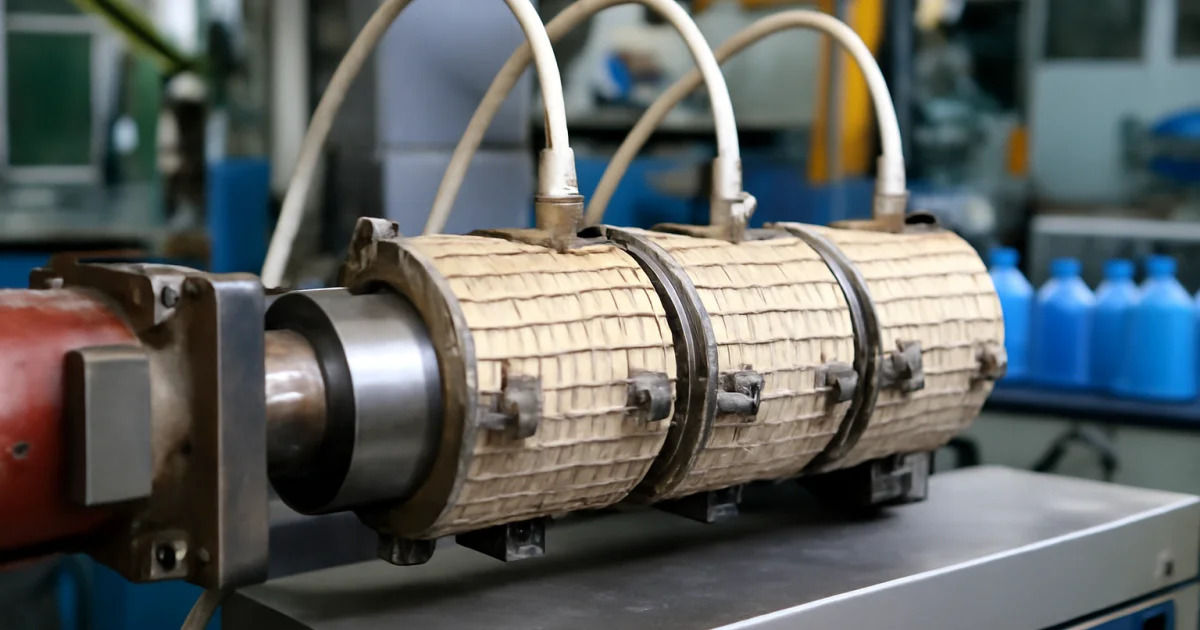
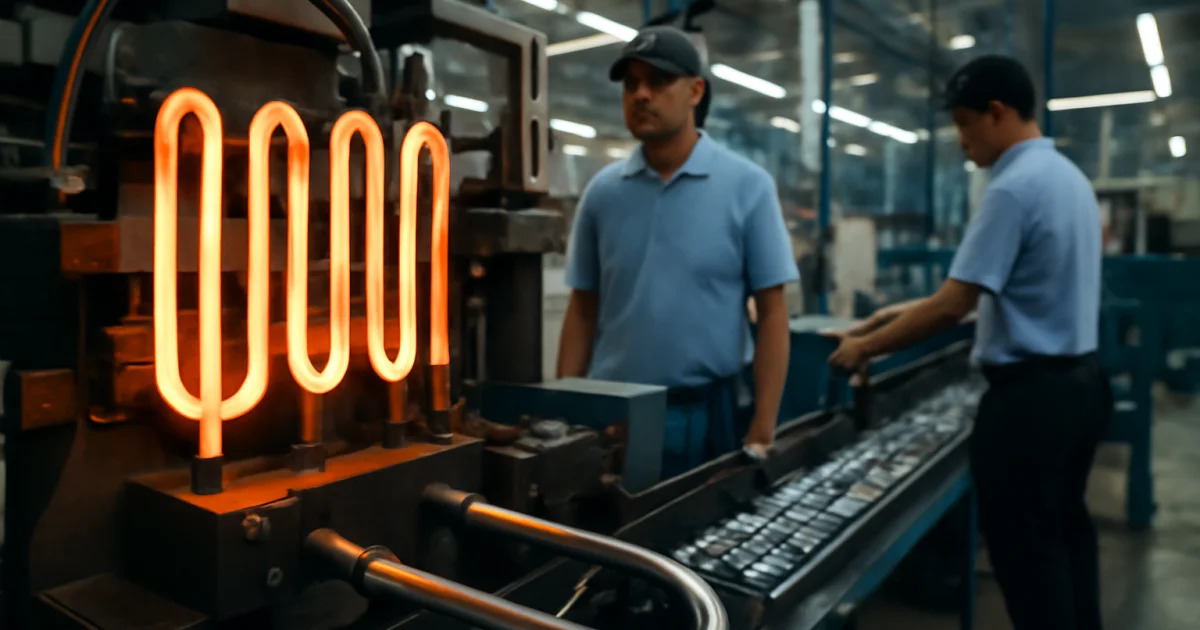
Adoption rates are particularly high where process heating and temperature control are critical. For instance, injection moulding and extrusion lines depend on thermocouples for precise barrel and nozzle temperature monitoring. In food processing, they ensure safety and product consistency by providing stable oven and fryer temperatures. The ongoing digitalisation in manufacturing has further accelerated thermocouple integration with modern process control systems.
Key Performance Metrics for Industrial Thermocouples
Performance metrics are essential for evaluating thermocouple suitability in demanding industrial environments. The most relevant metrics include:
- Accuracy: The ability of a thermocouple to produce readings close to the actual process temperature. Industrial applications typically require accuracy within ±1°C for critical operations.
- Response Time: How quickly the thermocouple reacts to changes in temperature. Fast response is vital for dynamic processes, such as automated packaging or rapid thermal cycling in electronics manufacturing.
- Durability: Resistance to wear, vibration, moisture, and chemical exposure. High-quality thermocouples last longer in harsh Malaysian factory conditions, reducing replacement frequency and maintenance costs.
- Stability: The ability to maintain calibration over time. Stable thermocouples ensure consistent product quality and reliable process control.
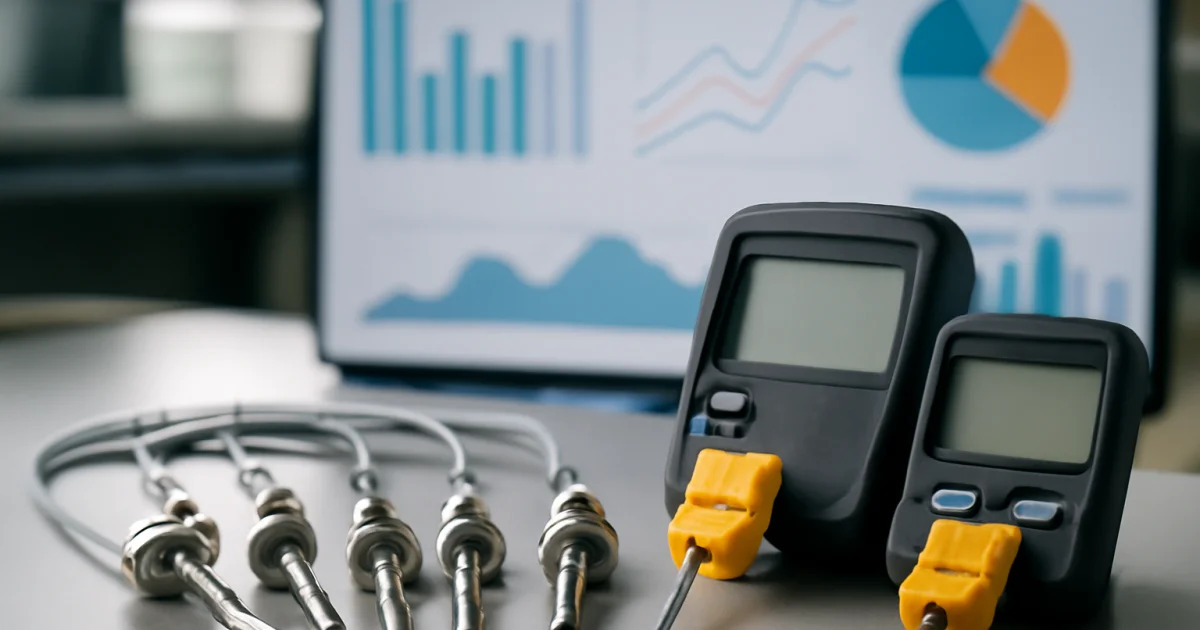
Additional metrics, such as compatibility with temperature controllers and ease of integration with existing systems, are increasingly important as industries migrate to smart manufacturing solutions. Many factories now pair thermocouples with digital temperature controllers and process indicators for enhanced control and data logging.
Factors Driving Thermocouple Selection in Malaysian Industry
When selecting thermocouples, Malaysian industries consider several factors beyond just initial cost. The most common considerations include:
- Type Selection: Different thermocouple types (such as K, J, T, or PT100 sensors) offer varying performance in terms of temperature range and environmental suitability.
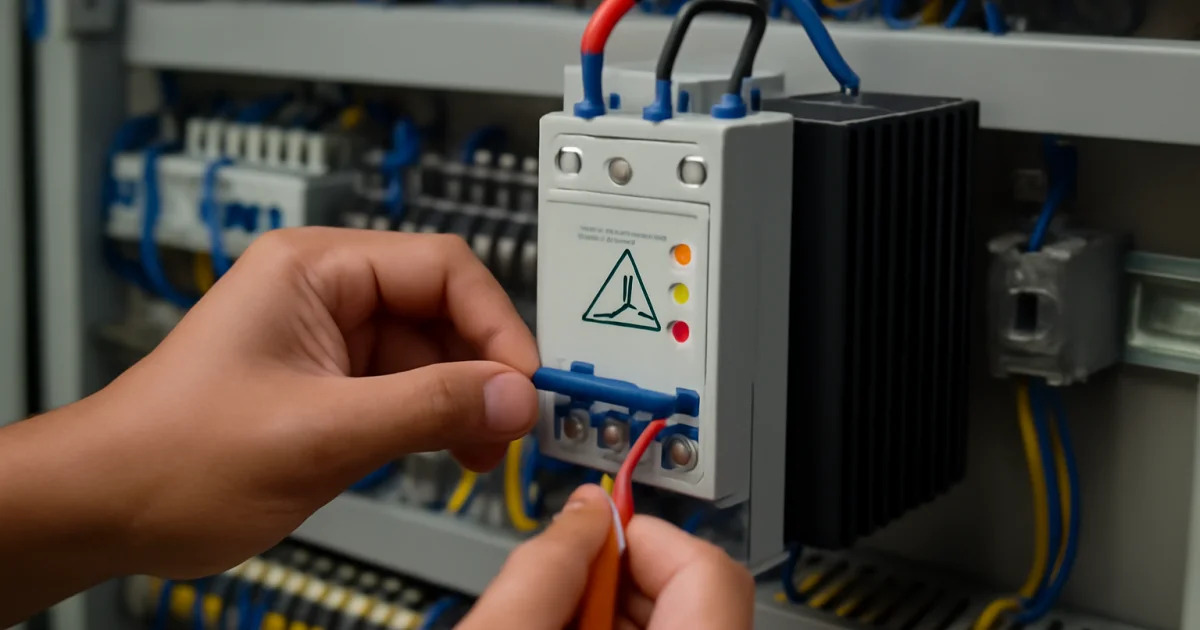
- Process Compatibility: Compatibility with process heating systems and industrial heaters ensures accurate sensing and control. For example, process panel meters and microprocessor controllers require precise sensor inputs for reliable operation.
- Installation Environment: Factors like exposure to corrosive chemicals, vibration, humidity, and high temperatures influence sensor longevity and accuracy. Stainless steel-sheathed thermocouples or those with ceramic insulation are popular in harsh environments.
- Integration Needs: As factories adopt more automation, thermocouples must integrate seamlessly with programmable logic controllers (PLCs), SCADA systems, and cloud-based monitoring platforms.
These considerations ensure that thermocouple Malaysia solutions are tailored to specific industrial requirements, maximizing reliability and minimizing operational risk.
Adoption Trends: Digitalisation and Smart Manufacturing
The Malaysian manufacturing landscape is undergoing rapid digital transformation. This shift is evident in the integration of thermocouples within process heating systems, industrial heaters, and automated control setups. Modern facilities are leveraging digital temperature meters, process indicators, and networked data acquisition to gain better process visibility and control.
Key trends include:
- Remote Monitoring: Thermocouples are increasingly linked to online dashboards, allowing maintenance teams to monitor multiple production lines from a central location.
- Predictive Maintenance: By tracking thermocouple performance and temperature trends, engineers can identify wear before sensor failure occurs, reducing unplanned downtime.
- Process Optimization: Combining thermocouples with frequency inverters, SCR/thyristor power regulators, and advanced controllers enables precise energy management and improved product consistency.
This digitalisation supports both energy efficiency and sustainability objectives, as Malaysian industry seeks to reduce waste and improve quality through smarter temperature control.
Best Practices for Reliable Thermocouple Performance
To maximise the benefits of thermocouple-based temperature monitoring, maintenance and engineering teams should follow these best practices:
- Routine Calibration: Regular calibration ensures continued accuracy and compliance with quality standards in manufacturing and food processing.
- Correct Installation: Proper positioning and secure mounting reduce errors caused by thermal lag, electrical noise, or mechanical stress.
- Environmental Protection: Use appropriate sheaths, insulation, and enclosures to protect sensors from moisture, chemicals, and abrasion common in industrial settings.
- Documentation: Keep detailed records of sensor specifications, installation dates, and maintenance activities for traceability and audit purposes.
- Integration with Controls: Ensure thermocouples are correctly matched with temperature controllers and process meters to avoid signal mismatch or measurement drift. For advanced solutions, consider integrating with digital temperature meters or process panel meters.
Adhering to these practices extends sensor lifespan and ensures uninterrupted process heating performance.
Conclusion: The Future of Thermocouple Monitoring in Malaysia
Thermocouples remain a cornerstone of industrial temperature monitoring in Malaysia, enabling safe, efficient, and high-quality production. As manufacturing continues to digitalise, the importance of selecting reliable thermocouples, maintaining calibration, and integrating with advanced control systems will only grow. By focusing on adoption trends and key performance metrics, Malaysian industry leaders can future-proof their operations and achieve consistent process excellence.
Frequently Asked Questions
Why are thermocouples widely used in Malaysian industries?
Thermocouples offer reliable, cost-effective, and accurate temperature monitoring, making them suitable for a wide range of applications in manufacturing, electronics, food processing, and other industrial sectors in Malaysia.
How do I choose the right thermocouple for my process?
Consider factors such as temperature range, chemical exposure, installation environment, compatibility with controllers, and required accuracy. Consulting with experienced suppliers can help identify the most suitable sensor for your application.
What maintenance practices improve thermocouple performance?
Regular calibration, proper installation, protecting sensors from harsh environmental factors, and maintaining thorough documentation are essential for ensuring long-term accuracy and reliability.
Can thermocouples be integrated with digital process control systems?
Yes, modern thermocouples are designed to integrate seamlessly with digital temperature controllers, process panel meters, and industrial automation systems for real-time monitoring and control.
Are there humidity and temperature transmitter suppliers in Malaysia?
Yes, Malaysia has reputable suppliers offering combined humidity and temperature transmitters, as well as thermocouples and sensors for comprehensive process monitoring and control.
Enhance Your Process Control with HQ Heating Sdn. Bhd.
Ready to upgrade your industrial temperature monitoring and process heating systems? HQ Heating Sdn. Bhd. offers a comprehensive range of thermocouples, temperature sensors, controllers, and custom heating solutions tailored for Malaysian industries. Benefit from decades of expertise, precision-engineered products, and technical support for seamless integration and reliable performance in your facility.