Introduction For readers comparing options, Ceramic Heater Malaysia is the main topic this guide explains.
The plastic processing industry in Malaysia is a dynamic sector marked by rapid innovation, intense competition, and a relentless pursuit of operational efficiency. At the heart of every extrusion, injection moulding, and plastic forming line lies a crucial component: the industrial heater. Among various heating technologies, ceramic heaters have become a popular choice. But are they truly the best for Malaysia’s unique manufacturing environment, or are there alternatives worth considering? This opinion piece explores the strengths, limitations, and practical realities of ceramic heaters for plastic processors in Malaysia, offering insights for decision-makers seeking reliable, efficient heating solutions.
Understanding Ceramic Heaters: Technology and Application
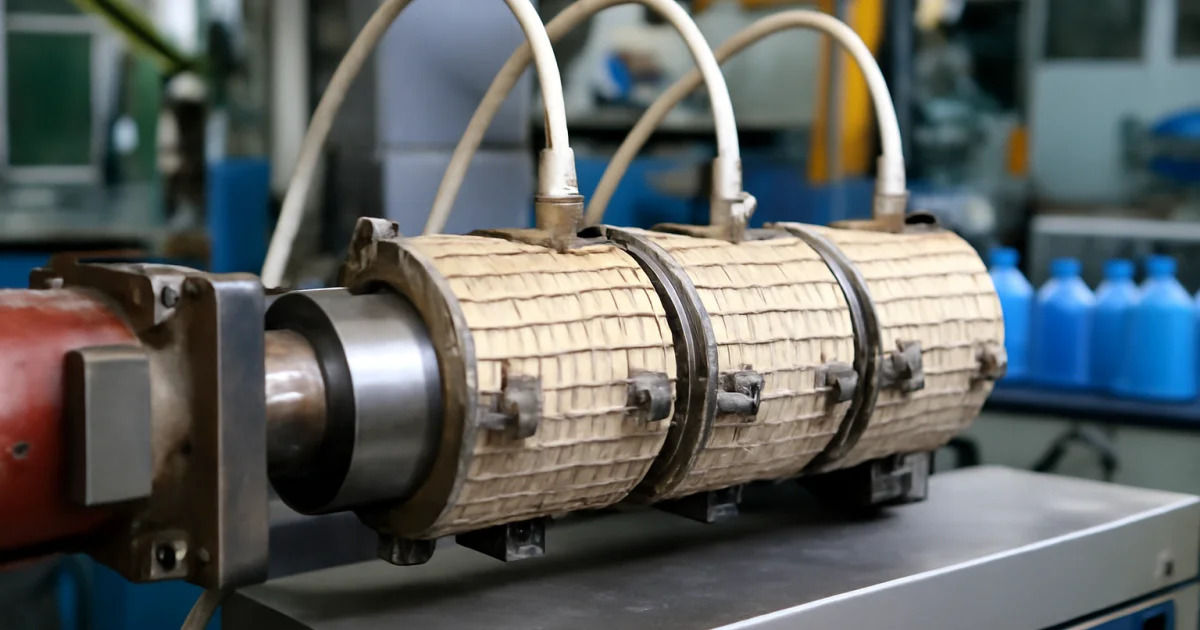
Ceramic heaters use high-quality ceramic insulators and resistance wire to generate heat efficiently. Commonly available as ceramic band heaters, they are designed to provide uniform heating around barrels, pipes, and moulds—making them a staple in extrusion and injection moulding machines. Their construction allows for high operating temperatures (often up to 450°C), excellent heat transfer, and robust mechanical strength, which is vital for continuous industrial operation.
In Malaysia, where humidity and ambient conditions can impact industrial performance, ceramic heaters’ insulation properties help retain heat and reduce energy loss. This is particularly valuable for plastic processors aiming to maintain consistent product quality and reduce operating costs.
The Malaysian Plastic Processing Landscape: What Matters Most
Plastic manufacturing in Malaysia ranges from high-volume packaging production to precision engineering components. Key operational goals include:
- Consistent temperature control for repeatable product quality
- Energy efficiency to manage costs
- Durability in a humid, sometimes dusty environment
- Easy maintenance and minimal downtime
Ceramic heaters address several of these needs. Their robust design withstands Malaysia’s demanding factory conditions, while their efficient heat transfer can lead to lower power consumption over time compared to less advanced heater types.
Advantages of Ceramic Heaters for Plastic Processing
Based on industry experience and technical analysis, ceramic heaters offer substantial benefits for Malaysian plastic processors:
- Energy Efficiency: Ceramic insulation minimizes heat loss, reducing energy consumption—a crucial factor given rising electricity costs in Malaysia.
- Uniform Heat Distribution: Even temperature across the heater surface reduces hotspots, improving melt consistency and product quality.
- High-Temperature Capability: Suitable for demanding applications such as thick-walled parts or high-melt polymers.
- Longevity and Durability: Ceramic construction resists oxidation and mechanical wear, ideal for continuous production cycles.
- Easy Replacement: Modular band heater designs simplify maintenance, minimizing downtime.
For plastic extrusion and injection moulding, these features translate into improved output and fewer rejects. This, in my opinion, makes ceramic heaters a top contender for most Malaysian plastic processors.
Additional Benefits: Safety, Scalability, and Modern Controls
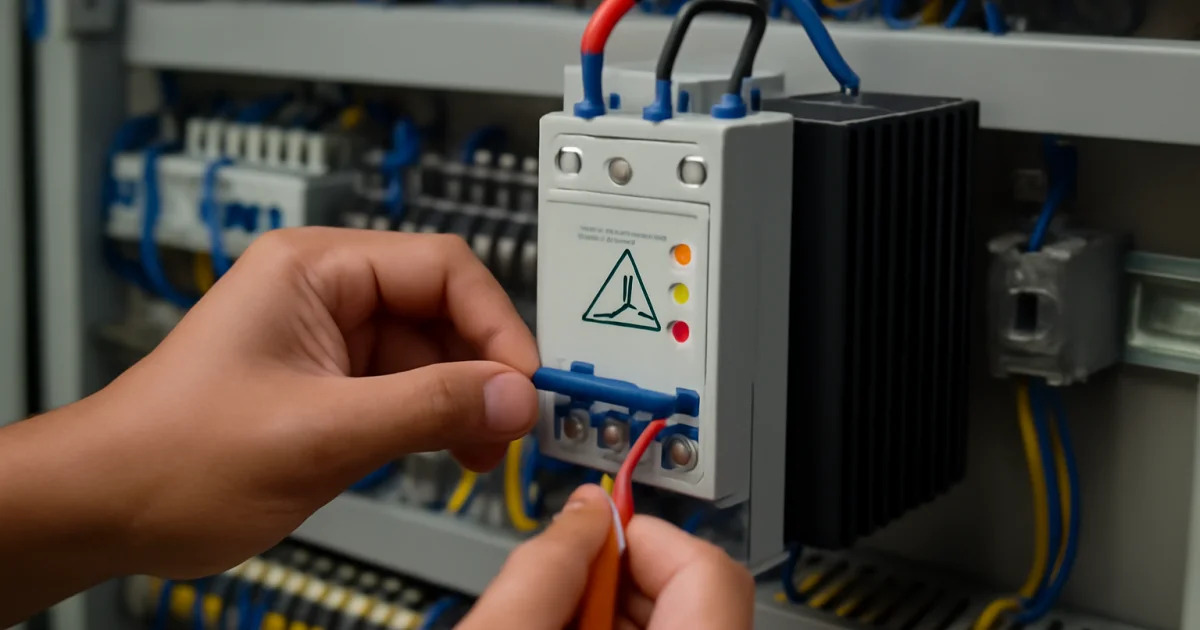
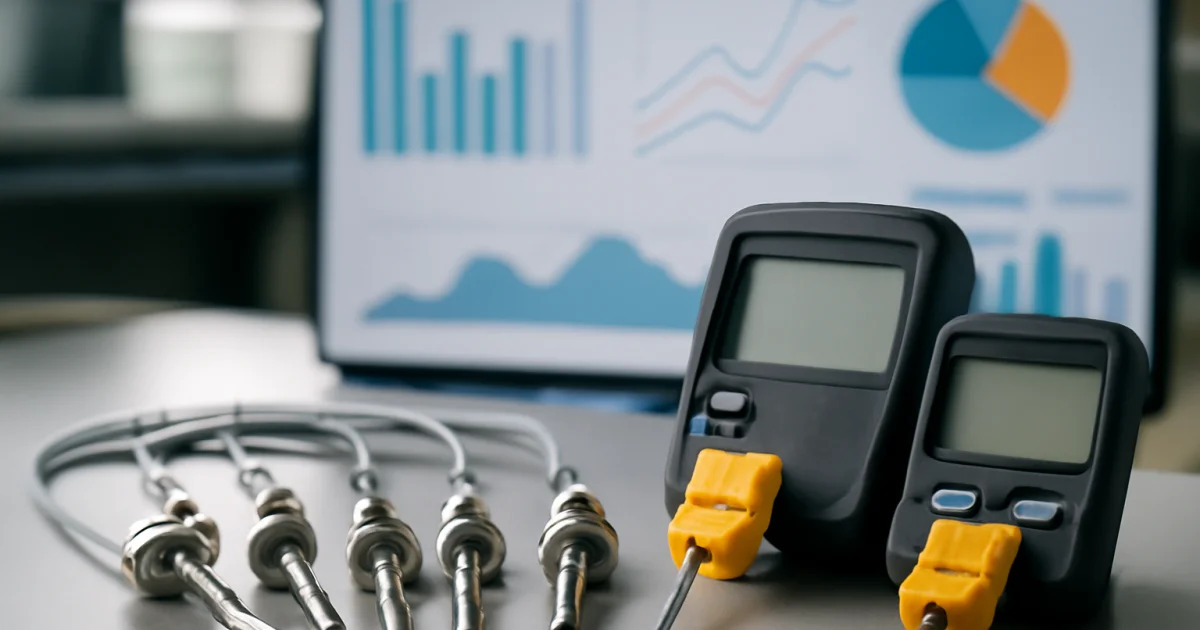
Modern ceramic heaters are often designed with safety features such as thermal cutoffs and integrated temperature sensors, which can further reduce fire risks and overheating incidents. Their modularity means they can be scaled easily as production demands grow or change. Many newer models are compatible with advanced digital controllers, allowing more precise temperature management and integration with automated factory systems. This level of control is especially important in highly regulated industries, such as food packaging or medical device manufacturing, where traceability and documentation are required.
Where Ceramic Heaters May Not Be the Best Fit
No heating technology is universal. While ceramic heaters excel in many industrial scenarios, there are specific cases where alternatives might be more suitable:
- Low-Temperature Applications: For processes requiring only gentle warming, flexible silicone heaters or mica band heaters might suffice at lower cost.
- Space Constraints: Cartridge heaters or finned strip heaters can be a better fit for compact or custom-shaped heating zones.
- Highly Corrosive Environments: If exposure to aggressive chemicals is expected, stainless steel sheathed heaters or specialized designs may offer better longevity.
- Budget Limitations: Initial cost of ceramic heaters can be higher than basic alternatives, though efficiency may balance this over time.
Decision-makers should assess their specific production needs, as well as consult with experienced suppliers, to ensure the right heating technology is selected. HQ Heating Sdn. Bhd. offers technical consultation to help companies match heater types to their process requirements.
Checklist: Should You Use Ceramic Heaters?
- Is your process high-volume or continuous, requiring minimal downtime?
- Do you need precise, consistent temperature control across large surfaces?
- Is your facility exposed to humidity, dust, or varying ambient temperatures?
- Are energy costs a significant concern for your operation?
- Does your process involve polymers that require high melting temperatures?
If you answered ‘yes’ to most of the above, ceramic heaters are likely to offer significant advantages for your application.
Comparing Ceramic Heaters with Other Industrial Heaters
Ceramic vs. Band (Mica) Heaters
While both are used as band heaters, ceramic designs typically outperform mica band heaters in terms of operating temperature, efficiency, and lifespan. However, mica band heaters are more cost-effective for less demanding applications.
For more on band heater options, see Band Heater Malaysia.
Ceramic vs. Cartridge Heaters
Cartridge heaters are the go-to solution for localized or deep-set heating, such as platens or dies. While ceramic band heaters offer excellent surface heating, cartridge heaters provide precision heating within solid metal parts. For machine builders or maintenance teams, access to a range of heater types is critical. Explore Cartridge Heater for detailed options.
Ceramic vs. Finned Heaters
Finned heaters are designed for air heating and HVAC systems, while ceramic heaters are best for direct contact with barrels and cylinders. Choosing the correct heater depends on whether the application is conductive or convective heating.
Scenario Analysis: Matching Heater to Application
- Scenario 1: High-Throughput Packaging Plant – Needs uninterrupted, uniform heat for long runs; ceramic heaters reduce downtime and energy use.
- Scenario 2: Precision Medical Device Production – Requires tight temperature tolerances; ceramic band heaters with digital controllers ensure repeatability and traceability.
- Scenario 3: Small Custom Parts Shop – May only need spot or localized heating; cartridge or silicone heaters could be more economical.
This approach ensures that the chosen heating solution is tailored to both the technical requirements and business goals of the operation.
Energy Efficiency and Operational Cost: A Malaysian Perspective
With energy costs rising in Malaysia, the efficiency of industrial heating systems can have a significant impact on operating budgets. Ceramic heaters are engineered to minimize energy loss, making them a smart choice for companies prioritizing sustainability and cost control. Their insulation properties mean that less energy is wasted as ambient heat, directly benefiting the bottom line over time.
Case in Point: A large food packaging facility in Johor Bahru switched to ceramic band heaters and reported a 15% reduction in electricity bills within the first year. The improved heat retention also reduced the load on cooling systems, lowering overall HVAC expenses.
For companies interested in a deeper dive on energy efficiency, the article Industrial Heater Malaysia Energy Efficiency Solutions offers practical advice.
Long-Term Cost Analysis
- Initial Investment: While ceramic heaters may have a higher upfront cost, their longer lifespan and energy savings often outweigh this over several years.
- Maintenance: Reduced frequency of replacements lowers spare parts inventory and labor costs.
- Downtime: Fewer unexpected failures reduce production interruptions, which can be costly in high-volume lines.
- Sustainability: Lower energy use contributes to corporate sustainability goals and may help with regulatory compliance.
When making purchasing decisions, consider the total cost of ownership (TCO) rather than simply the sticker price of the heater.
Installation, Maintenance, and Reliability
From a maintenance perspective, ceramic band heaters are relatively straightforward to install and replace. Their segmented construction means that, when failures do occur, the affected section can often be swapped out without dismantling large parts of the machine. This is particularly valuable for Malaysian factories operating with lean maintenance teams or where downtime carries significant cost implications.
Proper installation and regular inspection (checking for loose connections, buildup, or insulation wear) are critical to maximize the lifespan of ceramic heaters. Partnering with a knowledgeable supplier ensures access to spare parts and technical support.
Maintenance Best Practices
- Schedule routine visual checks for hotspots, discoloration, or buildup.
- Verify electrical connections are secure and properly insulated.
- Record heater performance metrics (temperature, energy use) to spot trends or inefficiencies early.
- Train staff on safe heater handling and replacement procedures.
Following these steps can extend heater life, optimize performance, and minimize unplanned downtime, all of which are vital for competitive manufacturing operations.
Custom-Engineered Solutions and Process Integration
Every plastic processing line is unique. Custom-engineered ceramic heaters—tailored to the machine’s dimensions, voltage, wattage, and application—can deliver optimal performance. HQ Heating Sdn. Bhd. specializes in designing and fabricating custom industrial heating systems, ensuring precise fit and reliable operation for Malaysian manufacturers.
For specialized needs, ceramic bobbin heaters and ceramic band heaters in non-standard configurations can be specified. Discover more about these options at Ceramic Band Heater and Ceramic Bobbin Heater.
Steps for Ordering Custom Ceramic Heaters
- Define Requirements: Document the equipment’s dimensions, target temperatures, power supply, and specific process needs.
- Consult the Supplier: Share technical drawings or photos with HQ Heating Sdn. Bhd. for expert guidance.
- Approve Design: Review proposed heater specifications, materials, and safety features.
- Test and Install: Start with a small batch for a pilot run to validate performance before full-scale deployment.
This process ensures the heater not only fits but also performs to expectations in the actual production environment.
Case Examples: Ceramic Heaters in Malaysian Plastic Factories
Example 1: Injection Moulding Plant in Penang
A medium-sized factory upgraded from mica to ceramic band heaters on its injection moulding machines. The result? Improved melt consistency, fewer part defects, and a 12% reduction in energy bills over six months. Maintenance intervals extended, as ceramic heaters required less frequent replacement.
Example 2: Extrusion Line in Selangor
A custom-built extrusion line specified ceramic heaters with integrated temperature sensors. The precise temperature control enabled by ceramic heaters—paired with digital temperature controllers—reduced startup times and improved product clarity, leading to higher output and customer satisfaction.
Example 3: Automotive Components Manufacturer, Klang Valley
This facility faced frequent heater failures due to high ambient humidity and dust. After switching to ceramic band heaters with reinforced insulation, downtime for heater replacement dropped by 40%. The reliability improvement paid off in smoother production scheduling and less rework.
While these are typical examples, the actual performance gains depend on correct heater specification, proper installation, and regular maintenance. Working with an experienced supplier like HQ Heating Sdn. Bhd. can be decisive for achieving these outcomes.
Opinion: Are Ceramic Heaters the Best Choice?
In my considered opinion, ceramic heaters are the best all-around choice for most applications in Malaysia’s plastic processing industry. Their energy efficiency, reliability, and superior heat distribution make them ideally suited to high-volume extrusion and injection moulding. However, “best” is always context-dependent. For highly specialized or low-intensity applications, alternative heaters may present better value.
The real-world experiences of Malaysian plastic manufacturers confirm that upgrading to ceramic band heaters, especially when paired with modern temperature controllers, delivers measurable improvements in quality, efficiency, and cost control. For most factory managers and engineers, ceramic heaters represent a proven investment in long-term operational excellence.
Common Mistakes and How to Avoid Them
- Overlooking Installation Quality: Poorly installed heaters often underperform or fail prematurely. Always follow manufacturer guidelines.
- Ignoring Environmental Factors: Not accounting for humidity, dust, or chemical exposure can shorten heater life. Select appropriate models and protection where needed.
- Focusing Only on Initial Cost: Long-term savings from efficiency and durability often outweigh a slightly higher purchase price.
By anticipating these pitfalls, manufacturers can maximize the benefits of their investment.
Conclusion: Making the Right Heating Choice for Your Process
The choice of industrial heater is a strategic one, shaping production efficiency, product quality, and operational cost. Ceramic heaters stand out for their performance and reliability in Malaysia’s demanding manufacturing environment, particularly for plastic processing.
However, the best results are achieved by matching heater type to your process requirements—with technical consultation and after-sales support from an experienced supplier. For companies evaluating their options, a discussion with HQ Heating Sdn. Bhd. can clarify technical trade-offs and support long-term success.
Frequently Asked Questions
What are the main benefits of using ceramic heaters in plastic processing?
Ceramic heaters provide efficient, uniform heating with excellent energy retention, reducing electricity costs and improving product consistency. Their robust construction makes them durable for continuous use in demanding factory environments, and they are easy to maintain and replace.
How do ceramic heaters compare to cartridge heaters for plastic machinery?
Ceramic heaters are ideal for surface and barrel heating, offering even heat distribution for extrusion and injection moulding. Cartridge heaters are better for localized or deep heating, such as inside platens or dies. The choice depends on the specific heating zone and process requirements.
Are ceramic heaters suitable for all types of plastic processing machines?
While ceramic heaters are highly suitable for most extrusion and injection moulding machines, some low-temperature or specialized applications may benefit from alternative heaters like mica bands or silicone heaters. Assess your process needs and consult a supplier to select the best option.
How important is energy efficiency when selecting heaters for Malaysian factories?
Energy efficiency is increasingly important as electricity costs rise in Malaysia. Ceramic heaters’ insulation minimizes heat loss, resulting in lower energy bills and more sustainable operations. Efficient heaters also reduce cooling loads and improve long-term operational savings.
Do I need custom-engineered ceramic heaters for my equipment?
Custom ceramic heaters are often recommended for equipment with unique dimensions, voltage, or wattage requirements. A reputable supplier like HQ Heating Sdn. Bhd. can design and fabricate heaters tailored to your machinery, ensuring optimal fit, safety, and performance.
Upgrade Your Plastic Processing with HQ Heating Sdn. Bhd.
Looking for the most reliable heating solutions for your plastic processing lines? HQ Heating Sdn. Bhd. offers a comprehensive range of ceramic band heaters, cartridge heaters, temperature controllers, and custom-engineered heating systems—designed for Malaysia’s industrial demands. Our technical team will help you choose, install, and maintain the ideal heater for your production needs.
Contact us today to discuss your requirements and discover how the right heating technology can boost your productivity and efficiency.