Modern Malaysian industries rely on precise temperature and power control to maintain product quality, system efficiency, and safety. Thyristor SCR (Silicon Controlled Rectifier) controllers have become essential in process heating systems, offering accurate power regulation for heaters and other resistive loads. This tutorial walks industrial automation engineers and system integrators through integrating Thyristor SCR Controllers into local industrial systems, with practical steps, tips, and best practices tailored for Malaysia’s manufacturing environment. For readers comparing options, Thyristor Scr Malaysia is the main topic this guide explains.
Understanding Thyristor SCR Controllers
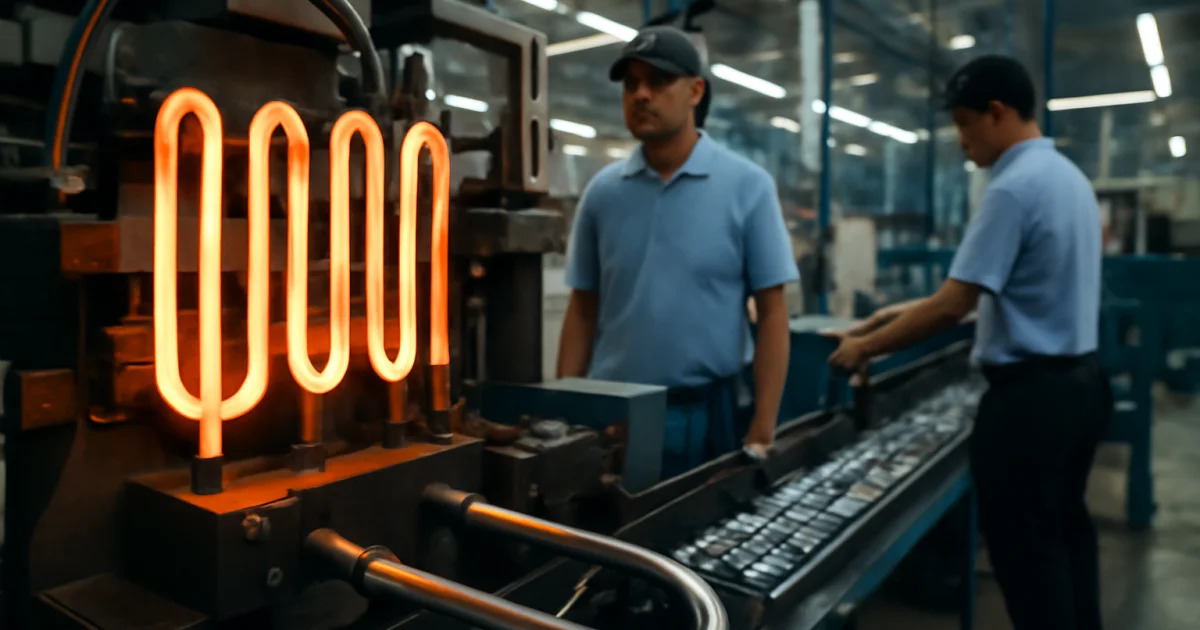
Thyristor SCR controllers are solid-state electronic switches that regulate electrical power to industrial heaters and process equipment. Unlike traditional electromechanical relays or contactors, SCR controllers provide fast, precise switching, resulting in smoother power delivery, reduced wear on components, and advanced process control. In Malaysia, these controllers are widely used across plastics, food processing, electronics, packaging, and commercial heating systems for their reliability and efficiency.
- Key benefits: Fast switching, zero-crossing operation, enhanced heater life, energy efficiency, and precise temperature management.
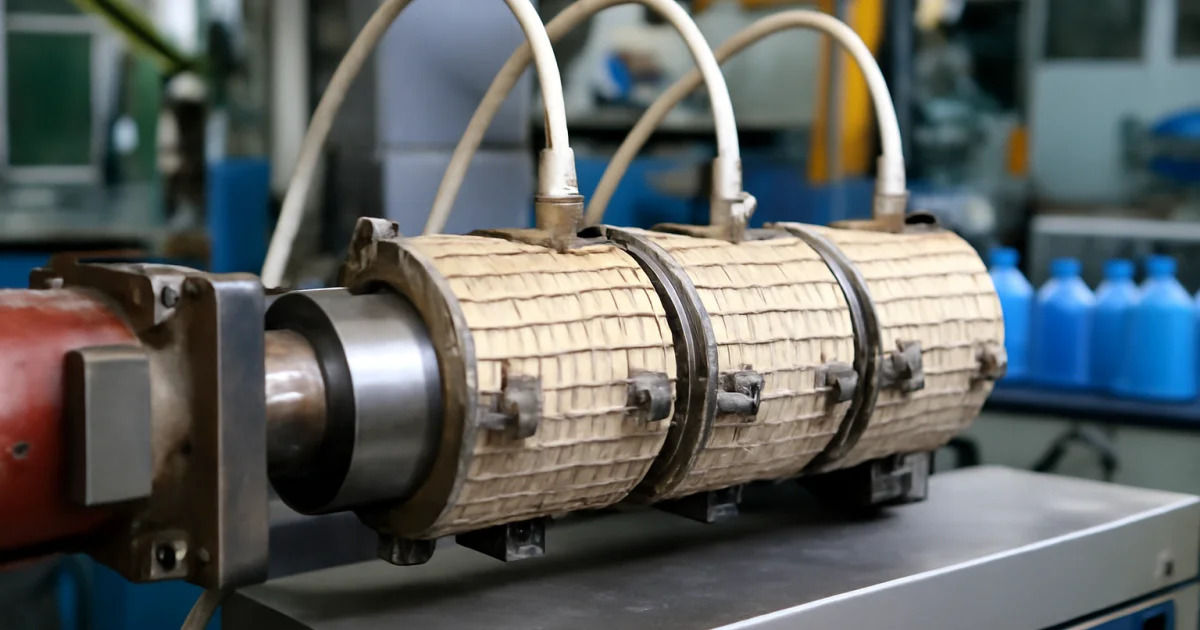
- Common applications: Industrial ovens, extrusion machines, injection moulding, drying systems, and HVAC equipment.
Step 1: Assess System Requirements and Select the Right SCR Controller
Before integrating an SCR controller, review your system’s total load (kW), voltage, heater type, control method, and environmental conditions. In Malaysia, factors such as tropical humidity, variable line voltages, and process safety standards must be considered.
- Determine heater total wattage and voltage (e.g., 415V, 3-phase for industrial systems).
- Choose SCR controller type: phase angle, zero-crossing, or burst firing, based on heater and process needs.
- Check for compatibility with temperature controllers or PLCs that will send control signals (e.g., 4-20mA, 0-10V, or logic pulses).
- Ensure the selected SCR controller supports the required load, signal input, and has appropriate certifications for use in Malaysia.
For specialized applications, consult with a reputable heating system supplier in Malaysia to ensure product compatibility and local support.
Step 2: Plan the Panel Layout and Electrical Connections
Integrating an SCR controller requires careful planning of control panels or cabinets. Proper layout ensures safety, accessibility, and efficient wiring.
- Allocate space in the electrical panel for the SCR controller, ensuring adequate ventilation and heat dissipation.
- Verify the main supply voltage and phase configuration match the SCR controller’s specifications.
- Plan for connection points: power input, power output to heaters, control signal input, cooling fan power (if required), and protective earth grounding.
- Consider surge protection devices and fuses for circuit safety.
Effective panel layout improves long-term reliability and simplifies maintenance—critical for Malaysian factories operating in high-humidity environments.
Step 3: Install and Wire the SCR Controller
Follow these steps for safe and compliant installation:
- Power Down: Disconnect all supply power before working on the panel.
- Mounting: Secure the SCR controller using manufacturer-recommended mounting hardware. Ensure sufficient clearance for airflow around heat sinks.
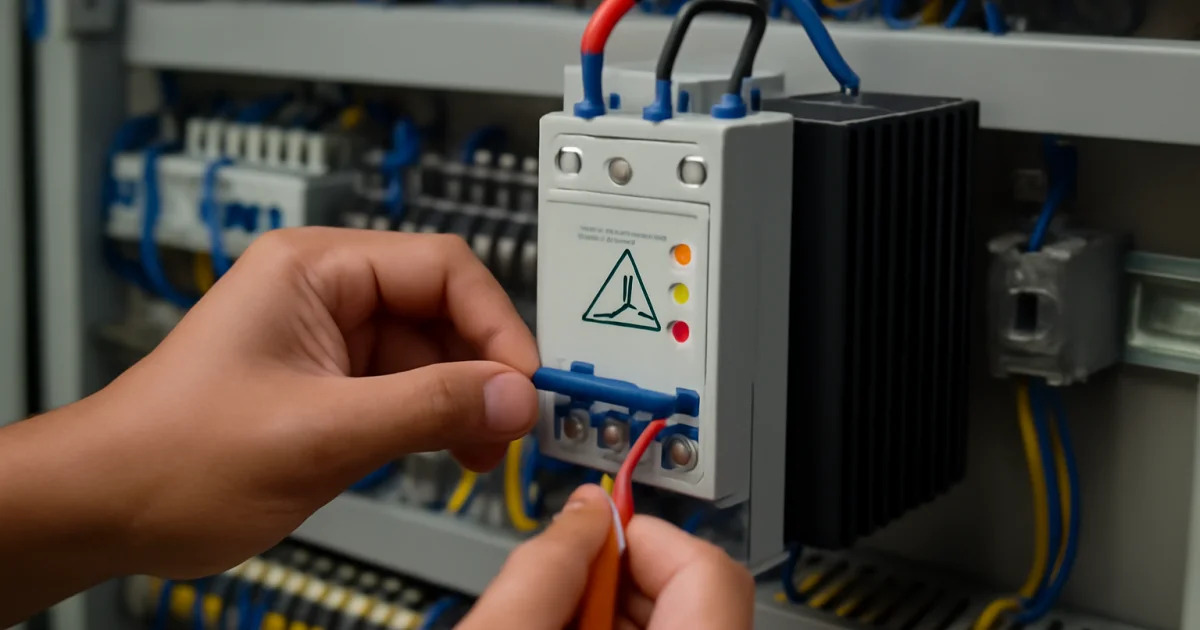
- Power Wiring: Connect the incoming supply lines (L1, L2, L3 for three-phase; L, N for single-phase) to the SCR controller’s input terminals. Wire the controller’s output terminals to the heater load.
- Earth Grounding: Properly connect the protective earth terminal to prevent electrical hazards.
- Control Signal Wiring: Wire the temperature controller or PLC output to the SCR controller’s control input. Use shielded cables for analog signals to reduce electrical noise.
- Fan/Accessory Power: If the SCR controller includes a cooling fan, connect it to the recommended auxiliary power supply.
- Double-Check Connections: Verify all connections are tight and correct according to the wiring diagram.
Refer to the SCR controller’s manual for specific wiring diagrams. If you’re integrating with advanced process controllers, coordinate with your controls engineer for correct signal mapping. For example, integrating a W5 Series SCR Power Regulator enables precise control of industrial heaters in demanding environments.
Step 4: Configure and Test the System
With wiring complete, proceed to system configuration and testing:
- Initial Power-Up: Reconnect power and observe the SCR controller’s status indicators.
- Controller Configuration: Set control parameters such as input signal range, soft start, current limiting, and alarm thresholds based on your application’s needs.
- Temperature Controller Integration: Calibrate the temperature controller or PLC output to match the SCR controller’s input requirements.
- Function Test: Command a temperature setpoint and observe SCR controller operation—check for smooth heater power modulation, stable temperature, and absence of alarms.
- Safety Checks: Test overcurrent, overtemperature, and fault protection circuits. Confirm the system isolates power during faults.
Thorough testing ensures the system delivers precise and safe heating performance—essential for process heating systems in Malaysia’s industrial sectors.
Step 5: Optimize Performance and Maintain Reliability
After commissioning, ongoing optimization and maintenance are key to long-term success:
- Monitor heater performance, load balance, and temperature stability through process indicators or digital meters.
- Periodically inspect terminals for signs of loose connections or corrosion, especially in humid environments like Selangor and Penang.
- Log temperature trends and SCR controller alarms to detect early signs of heater or sensor degradation.
- Update controller firmware and make configuration adjustments as your process evolves.
- Schedule preventive maintenance to clean cooling fans or heat sinks and verify system protection devices.
Partnering with a local industrial heating specialist helps maximize system efficiency and minimize unplanned downtime.
Conclusion: Elevate Industrial Heating Control in Malaysia
Integrating Thyristor SCR controllers into Malaysian industrial systems delivers precise, reliable, and efficient power regulation for process heating. By following a structured approach—selecting the right controller, planning panel layout, executing correct wiring, configuring the system, and maintaining best practices—engineers and integrators can optimize performance and extend equipment life. As manufacturing and automation standards in Malaysia continue to advance, SCR controllers remain vital for industries demanding accuracy, safety, and energy efficiency.
For tailored guidance on selecting and integrating SCR power regulators, cartridge heaters, and complete process heating systems, consult established local suppliers such as HQ Heating Sdn. Bhd. Their expertise ensures compliance, seamless integration, and long-term support for your industrial applications.
Ready to take your process heating to the next level? Explore more about industrial heater selection and advanced temperature control solutions in Malaysia by reading Choosing The Right Industrial Heater.
Frequently Asked Questions
What is a Thyristor SCR Controller and how does it work?
A Thyristor SCR Controller is a solid-state device that regulates electrical power to industrial heating elements by rapidly switching the current on and off. It allows for precise control of heater output, improving temperature stability, energy efficiency, and equipment lifespan by reducing mechanical wear compared to traditional relays.
Why are SCR controllers preferred in Malaysian industrial heating systems?
SCR controllers offer fast, precise power modulation, which is crucial for maintaining consistent process temperatures in Malaysia’s humid and variable industrial environments. They support energy savings, reduce component wear, and comply with advanced automation requirements across sectors like plastics, food processing, and electronics.
How do I choose the right SCR controller for my industrial application?
Consider your system’s voltage, load capacity, heater type, and control method (such as 4-20mA or logic input). Ensure the SCR controller matches these requirements and is suitable for Malaysia’s industrial standards. Consulting with a local supplier can help identify a controller that meets your exact process needs.
What safety measures should be followed during installation?
Always disconnect supply power before installation, use proper grounding, and follow the manufacturer’s wiring diagram. Implement surge protection, use appropriate fuses, and verify all connections are correct and secure to prevent electrical hazards and ensure safe operation.
Can SCR controllers be integrated with temperature controllers or PLCs?
Yes, most SCR controllers are designed to receive control signals from temperature controllers or PLCs, such as 4-20mA, 0-10V, or logic pulses. This integration allows automated systems to precisely regulate heater output based on real-time temperature feedback.
Transform Your Process Heating with HQ Heating Sdn. Bhd.
Looking to integrate Thyristor SCR controllers or upgrade your industrial heating solutions in Malaysia? HQ Heating Sdn. Bhd. offers expert guidance, reliable products, and complete support for process heating system integration. From industrial electrical heaters to advanced controllers and custom-engineered solutions, our team helps you achieve precision, safety, and efficiency. Contact us today to discuss your requirements and discover how we can support your next automation project.