Blogs

What Is a Ceramic Heater and Why Is It Essential for Industrial Heating Applications?

Industrial heating systems play a critical role in maintaining production efficiency, ensuring product quality, and reducing equipment downtime. Whether used in plastic processing, packaging, food manufacturing, petrochemical operations, or commercial heating systems, selecting the right heating technology directly impacts operational performance.

A Ceramic Heater Malaysia solution has become one of the most reliable choices for industries that demand precise temperature control, excellent heat retention, and long service life. Unlike conventional metal heating elements, ceramic heaters are engineered to deliver uniform heating while maintaining high thermal efficiency, making them suitable for continuous industrial operations.

This guide explains how ceramic heaters work, their construction, industrial advantages, common applications, and the factors businesses should consider before choosing a ceramic heating solution.
What Is a Ceramic Heater?

A ceramic heater is an electric heating device that uses ceramic material as the primary medium for generating, transferring, or retaining heat. Inside the heater, an electrical resistance element converts electrical energy into thermal energy through resistance heating (also known as Joule heating). The ceramic component then absorbs, stores, and distributes the generated heat evenly across its surface.

Unlike exposed metal heating coils that lose heat quickly and create localized hot spots, ceramic materials possess excellent thermal conductivity and heat retention properties. This allows the heater to maintain stable operating temperatures while improving overall energy efficiency.

Industrial ceramic heaters are designed to withstand demanding environments where consistent heating, durability, and precise temperature control are essential.

How Does a Ceramic Heater Work?

The operating principle of a ceramic heater is based on electrical resistance heating.

When electrical current flows through the internal resistance wire or heating element, electrical resistance converts electricity into heat. Instead of releasing this heat directly into the surrounding environment, the ceramic material absorbs and distributes it gradually.

The heat generated is transferred through three primary methods:

  • Conduction – Heat moves directly from the ceramic surface into machinery, molds, dies, barrels, or metal components.
  • Convection – Heated air circulates naturally or with the assistance of fans to warm surrounding equipment or enclosed spaces.
  • Thermal Radiation – Infrared energy emitted from the heated ceramic surface transfers heat without requiring direct physical contact.

Because ceramic materials retain heat effectively, temperature fluctuations are minimized, allowing industrial equipment to maintain stable process conditions throughout production.

Why Ceramic Materials Are Used in Industrial Heating

Ceramic materials possess several physical properties that make them highly suitable for industrial heating applications.

Excellent Heat Retention

Ceramic materials possess several physical properties that make them highly suitable for industrial heating applications.

High Temperature Resistance

Industrial ceramic heaters can operate safely under elevated temperatures without significant material degradation, making them ideal for continuous manufacturing processes.

Electrical Insulation

Most engineering ceramics provide excellent electrical insulation while allowing efficient thermal transfer. This improves operational safety by isolating electrical current from external metal components.

Uniform Heat Distribution

Ceramic spreads heat more evenly across its surface than traditional metal heating elements, reducing thermal stress and eliminating concentrated hot spots.

Corrosion Resistance

Industrial environments often expose equipment to moisture, chemicals, oils, and contaminants. Ceramic materials offer superior resistance to corrosion, extending service life under harsh operating conditions.

Types of Industrial Ceramic Heaters

Different industrial processes require different ceramic heater designs.

Ceramic Band Heaters

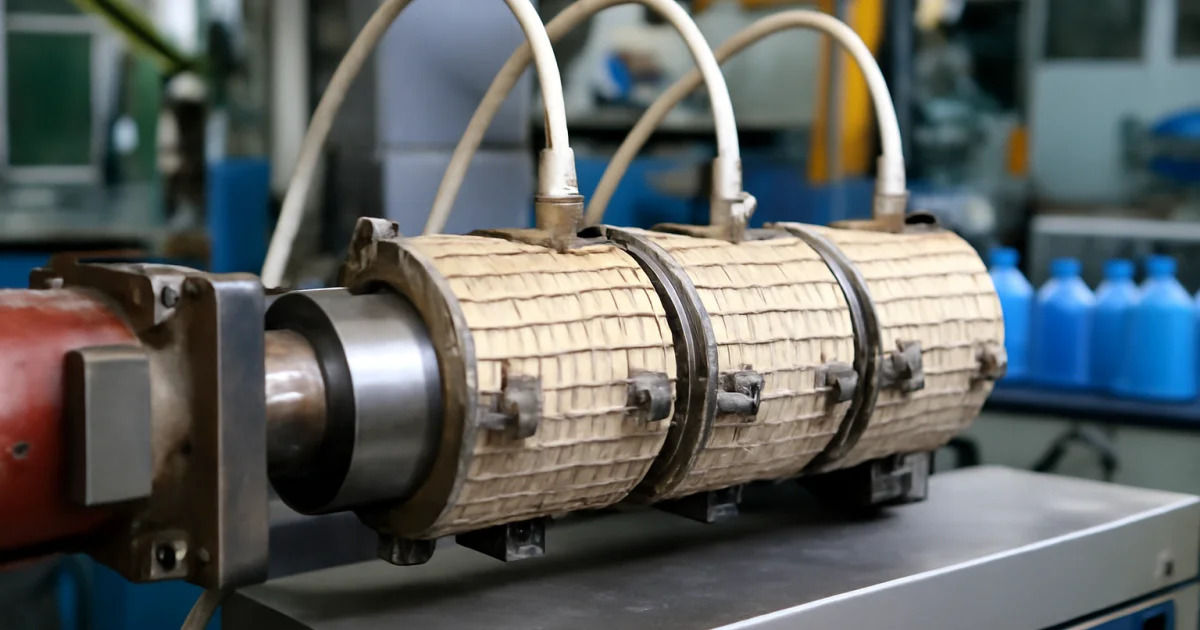
Ceramic band heaters are commonly installed around pipes, barrels, cylinders, and extrusion equipment. They provide uniform circumferential heating and are widely used in plastic injection molding and extrusion machinery.

Ceramic Infrared Heaters

These heaters emit infrared radiation that directly heats products or surfaces without warming the surrounding air. They are suitable for drying, curing, thermoforming, paint processing, and packaging applications.

PTC Ceramic Heaters

Positive Temperature Coefficient (PTC) ceramic heaters use advanced ceramic materials whose electrical resistance automatically increases as temperature rises.

This self-regulating characteristic reduces overheating risks while maintaining stable operating temperatures without complex control systems.

Ceramic Cartridge Heaters

These compact heaters fit into drilled holes within metal components, molds, dies, or machinery requiring localized high-temperature heating.

Advantages of Ceramic Heater Malaysia Solutions for Industries

Industrial businesses continue adopting ceramic heating technology because it offers several operational advantages over conventional heating systems.

Improved Energy Efficiency

Ceramic retains heat effectively, reducing unnecessary energy consumption during continuous operation. Less energy is required to maintain target temperatures, helping lower operational costs over time.

Precise Temperature Control

Stable and consistent heat output improves manufacturing accuracy and minimizes product variation, especially in temperature-sensitive production processes.

Longer Equipment Lifespan

Because ceramic distributes heat evenly, mechanical stress on surrounding components is reduced. This helps extend the service life of molds, barrels, dies, and associated equipment.

Faster Production Recovery

After production interruptions, ceramic heaters recover operating temperatures quickly while maintaining thermal stability, minimizing downtime.

Reduced Maintenance

Industrial ceramic heaters are engineered for durability, reducing the frequency of heater replacement and maintenance interventions.

Common Industrial Applications of Ceramic Heaters

Ceramic heaters support a wide range of industrial processes where controlled heating is essential.

Plastic Processing

Injection molding machines, blow molding equipment, and extrusion lines rely on ceramic band heaters to maintain precise barrel temperatures throughout production.

Packaging Industry

Heat sealing systems, shrink tunnels, laminating equipment, and film processing machines require stable heating to ensure consistent product quality.

Food Processing

Industrial ceramic heaters assist with drying, baking, warming, and process temperature control while supporting hygienic manufacturing environments.

Chemical and Petrochemical Plants

Temperature control is essential for maintaining fluid viscosity, preventing solidification, and supporting chemical processing operations.

Commercial Heating Equipment

HVAC systems, industrial air handling units, drying equipment, and thermal management systems often integrate ceramic heating technology for reliable performance.

Manufacturing Equipment

Ceramic heaters are widely used in textile machinery, semiconductor production, electronics manufacturing, pharmaceutical processing, and laboratory equipment.

How Ceramic Heaters Compare with Conventional Metal Heating Elements

Although traditional metal heating elements remain common, ceramic heaters offer several performance improvements.

Ceramic heaters provide more uniform heat distribution, retain heat for longer periods, and reduce thermal cycling that contributes to equipment wear. They also achieve greater energy efficiency during continuous industrial operation.

Metal coil heaters typically heat rapidly but cool quickly after power reduction, resulting in more frequent temperature fluctuations. Ceramic heating systems, by contrast, maintain stable temperatures and improve process consistency.

For industries requiring continuous production, precise temperature control, and reduced maintenance, ceramic heating technology generally offers a more reliable long-term solution.

How to Choose the Right Ceramic Heater in Malaysia

Working with an experienced industrial heating supplier ensures the selected heater is properly engineered for the equipment and production process.

Selecting the appropriate ceramic heater depends on the specific application rather than simply choosing the highest power rating.

Key considerations include:

  • Required operating temperature
  • Heating surface dimensions
  • Voltage and watt density requirements
  • Installation method
  • Environmental exposure
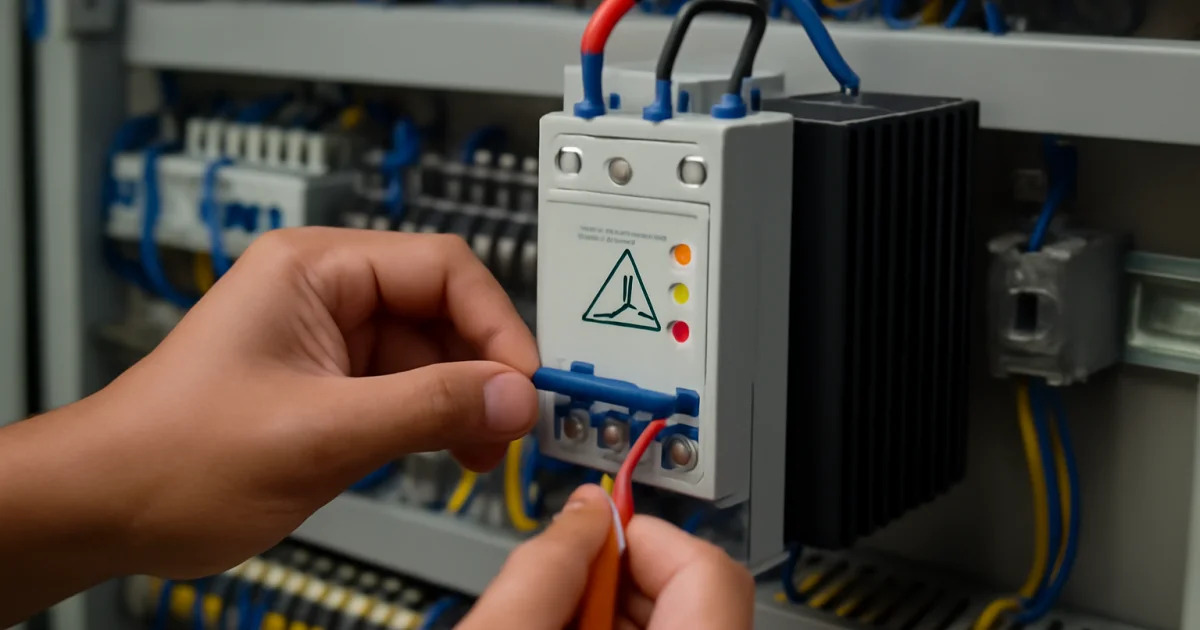
  • Required temperature control accuracy
  • Continuous or intermittent operation
  • Compatibility with existing machinery

Why Industrial Buyers in Malaysia Choose Ceramic Heating Solutions

As Malaysian industries continue to modernize manufacturing operations, demand for energy-efficient and reliable heating systems continues to grow.

A high-quality Ceramic Heater Malaysia solution provides consistent temperature control, improved energy performance, lower maintenance requirements, and longer operational life compared with many conventional heating technologies.

For manufacturers, maintenance engineers, procurement teams, and industrial contractors, investing in the right ceramic heating system contributes to improved production efficiency, equipment reliability, and overall operational performance.

Conclusion

Ceramic heaters have become an essential component in modern industrial heating applications because they combine efficient heat transfer, excellent thermal stability, and exceptional durability. Their ability to deliver precise and uniform heating makes them suitable for manufacturing plants, commercial facilities, process industries, and specialized industrial equipment.

When selecting a Ceramic Heater Malaysia supplier, businesses should prioritize product quality, engineering expertise, customization capabilities, and technical support. A properly designed ceramic heating solution not only improves process efficiency but also helps reduce long-term operating costs while ensuring dependable performance in demanding industrial environments.

Need the Right Ceramic Heater for Your Industrial Application?

Get expert guidance on selecting the ideal ceramic heating solution for your machinery, production line, or thermal process. Our specialists help you find a reliable heater designed for performance, efficiency, and long-term operation.

πŸ‘‰Talk to Our Heating ExpertsΒ 

Frequently asked questions(FAQs)

What is the difference between a ceramic heater and a conventional metal heater?

A ceramic heater uses ceramic materials to retain and distribute heat more evenly, while a conventional metal heater transfers heat directly from a metal heating element. In industrial applications, ceramic heaters generally offer better temperature stability, higher energy efficiency, reduced heat loss, and a longer service life, making them ideal for continuous manufacturing processes.

Are ceramic heaters energy-efficient for industrial use?

Yes. Ceramic heaters are designed to retain heat effectively, allowing them to maintain operating temperatures with less energy compared to many traditional heating elements. Their excellent thermal insulation and uniform heat distribution help reduce power consumption, especially in production environments that operate for extended hours.

What industries commonly use ceramic heaters in Malaysia?

Yes. Ceramic heaters are designed to retain heat effectively, allowing them to maintain operating temperatures with less energy compared to many traditional heating elements. Their excellent thermal insulation and uniform heat distribution help reduce power consumption, especially in production environments that operate for extended hours.

Are ceramic heaters safe for industrial environments?

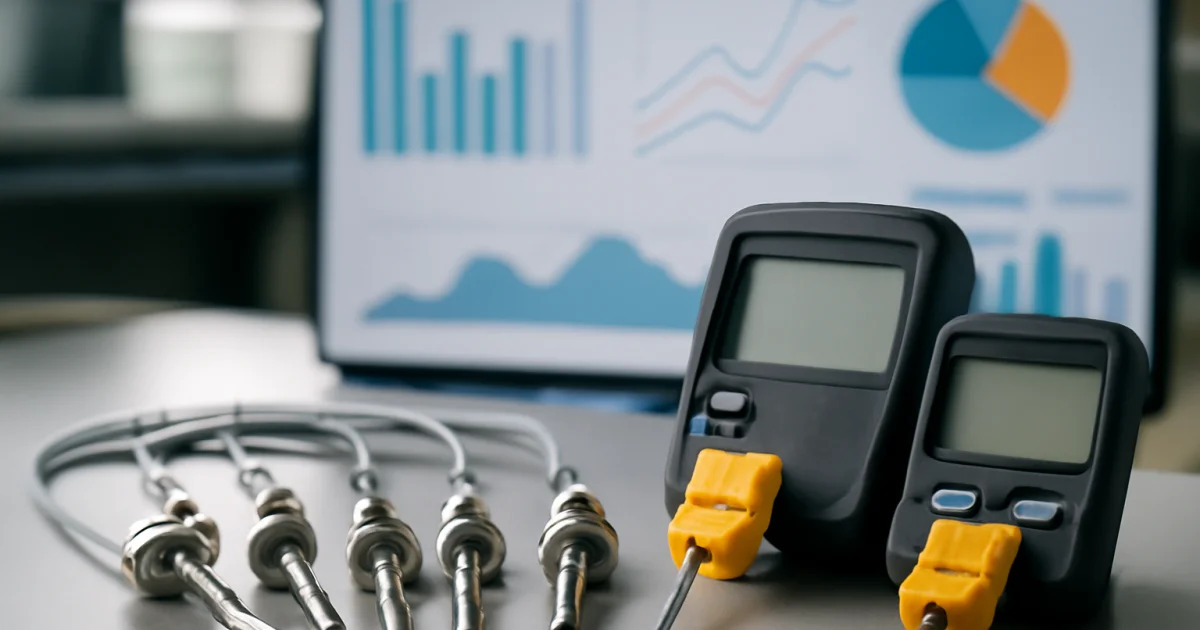
Yes. Industrial ceramic heaters are considered safe when correctly installed and operated. Many ceramic heating elements feature excellent electrical insulation properties and are compatible with temperature controllers, thermocouples, and safety protection devices to prevent overheating and ensure reliable operation.

What temperatures can ceramic heaters achieve?

Depending on the heater design and application, industrial ceramic heaters can typically operate between 200Β°C and 800Β°C. Some specialized ceramic heating elements are capable of reaching even higher temperatures for demanding industrial processes.