In Malaysia’s rapidly advancing manufacturing and electronics sectors, precise temperature measurement is vital for quality, safety, and efficiency. Among the most trusted solutions, the Pt100 temperature sensor stands out for its accuracy and stability in demanding industrial environments. But with diverse options on the market, how do you choose the right Pt100 temperature sensor for your process or equipment? This comprehensive guide provides actionable insights for process engineers, electronics manufacturers, and system integrators seeking reliable temperature monitoring solutions. For readers comparing options, Pt100 Temperature Sensor Malaysia is the main topic this guide explains.
Understanding Pt100 Temperature Sensors
Pt100 sensors are a type of Resistance Temperature Detector (RTD) that use platinum (Pt) with a resistance of 100 ohms at 0°C. Their key advantage lies in a highly linear and repeatable resistance-temperature relationship, enabling accurate measurement across a wide range. Pt100 sensors are widely used in industries such as plastics, food processing, electronics manufacturing, and commercial heating systems where consistent temperature control is non-negotiable.
Compared to thermocouples, Pt100 sensors offer better accuracy and long-term stability, making them ideal for environments where even small temperature deviations can impact product quality or process safety.
Key Factors When Selecting a Pt100 Temperature Sensor
- Application Requirements: Start by defining the application—whether it’s for plastics extrusion, oven temperature monitoring, process heating, or electronics manufacturing. The operating temperature range and required accuracy will influence your choice.
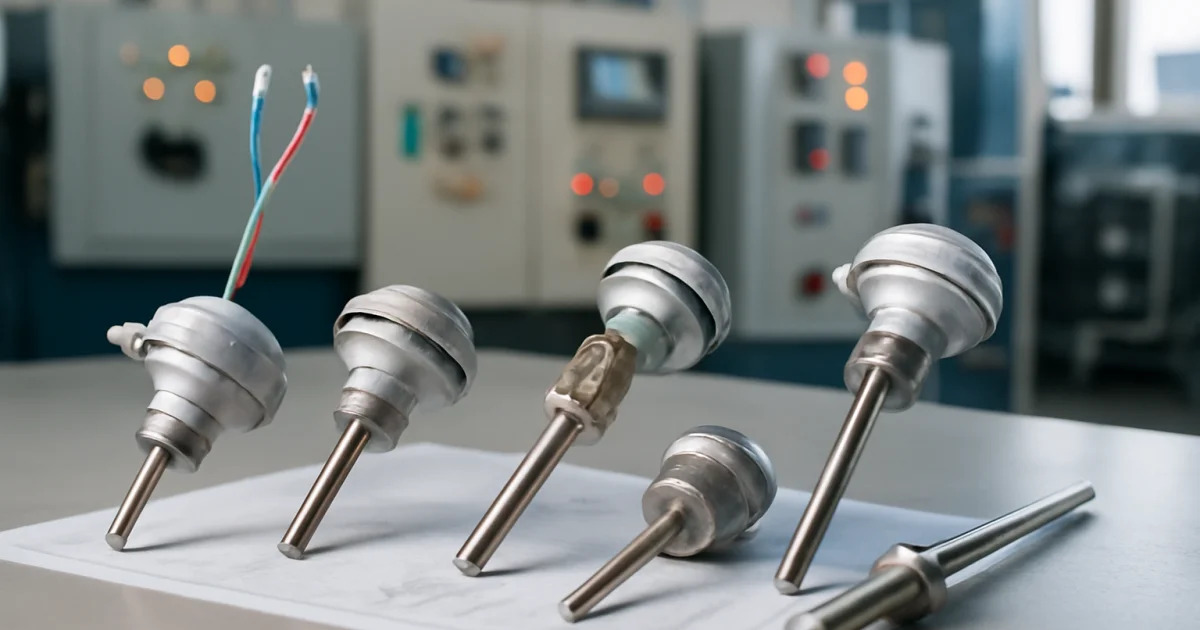
- Sensor Construction: Pt100 sensors come in various forms, including wire-wound, thin-film, and mineral-insulated designs. Wire-wound types offer the highest accuracy but may be less robust for harsh industrial use. Thin-film sensors are compact and suitable for space-constrained applications, while mineral-insulated probes are rugged for demanding environments.
- Accuracy Class: Standards like IEC 60751 define accuracy classes like Class A, B, and 1/3 DIN. For critical process control, opt for a higher accuracy class to ensure tighter temperature tolerance.
- Configuration (2-wire, 3-wire, 4-wire): The wiring configuration affects measurement accuracy. 2-wire sensors are cost-effective but sensitive to lead resistance. 3-wire and 4-wire configurations compensate for lead resistance, providing greater accuracy over longer cable runs. This is essential for large-scale industrial heater or process installations.
- Sheath Material & Dimensions: The sensor’s sheath must withstand the process environment. Stainless steel is common for industrial heater Malaysia applications due to its corrosion resistance. Choose the correct length and diameter for proper insertion and thermal response.
- Connector Type: Select from options like plug, terminal head, or cable leads based on your installation and maintenance needs. Quick-disconnect connectors are popular in commercial heaters in Malaysia for fast replacement and minimal downtime.
Matching Sensor Specifications to Industrial Applications
Each industry has unique requirements for Pt100 sensors:
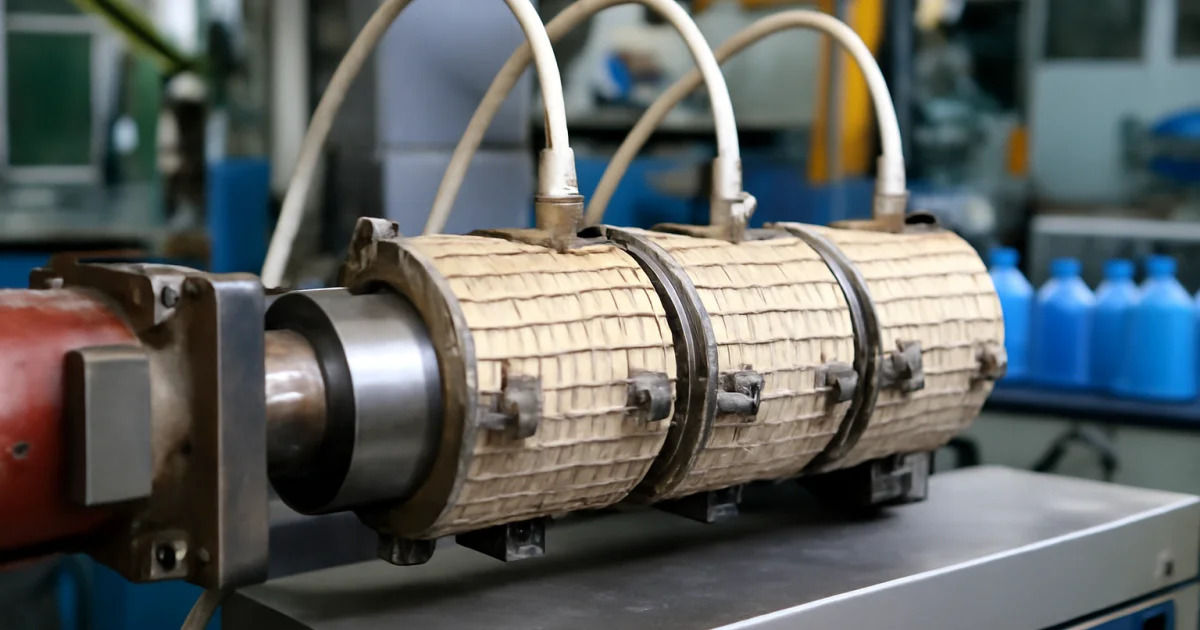
- Plastics Processing: Band and cartridge heaters for injection moulding or extrusion require sensors with fast response and robust construction, such as spring-loaded or bolt-on RTDs.
- Food Processing: Sensors must be food-grade and easy to clean, with stainless steel sheaths and hygienic process connections.
- Electronics Manufacturing: High-precision, low-profile sensors are vital for maintaining tight temperature tolerances in sensitive environments.
- Process Heating Systems: Pt100 sensors integrated with digital temperature controllers and process indicators enable automated and stable heating control in Malaysia’s industrial facilities. For more information on efficient industrial heating, visit Industrial Heater Malaysia Energy Efficiency Solutions.
Best Practices for Installation and Maintenance
Proper installation and maintenance are essential for long-term sensor accuracy and reliability:
- Correct Placement: Install sensors at points representing true process temperature. Avoid locations prone to thermal gradients or external heat sources.
- Secure Mounting: Ensure firm contact between the sensor’s sheath and the monitored surface or medium, using clamps or threaded fittings as needed.
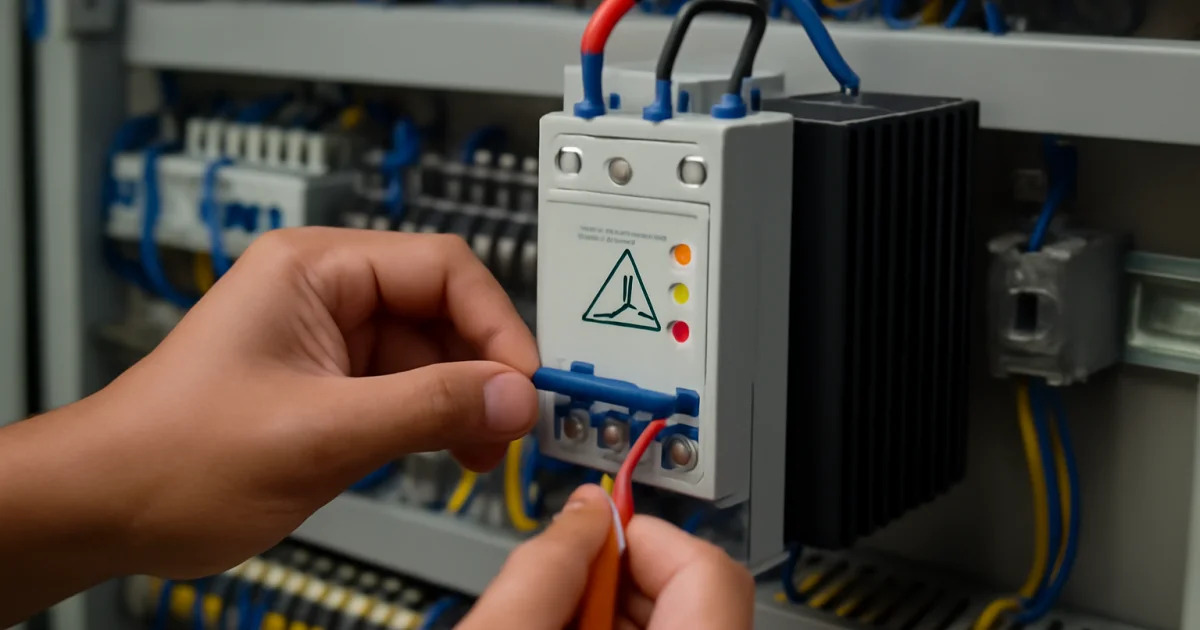
- Wiring and Shielding: Use shielded cables and proper grounding to minimise electrical interference, especially near industrial power equipment, thyristor SCR controllers, or frequency inverters.
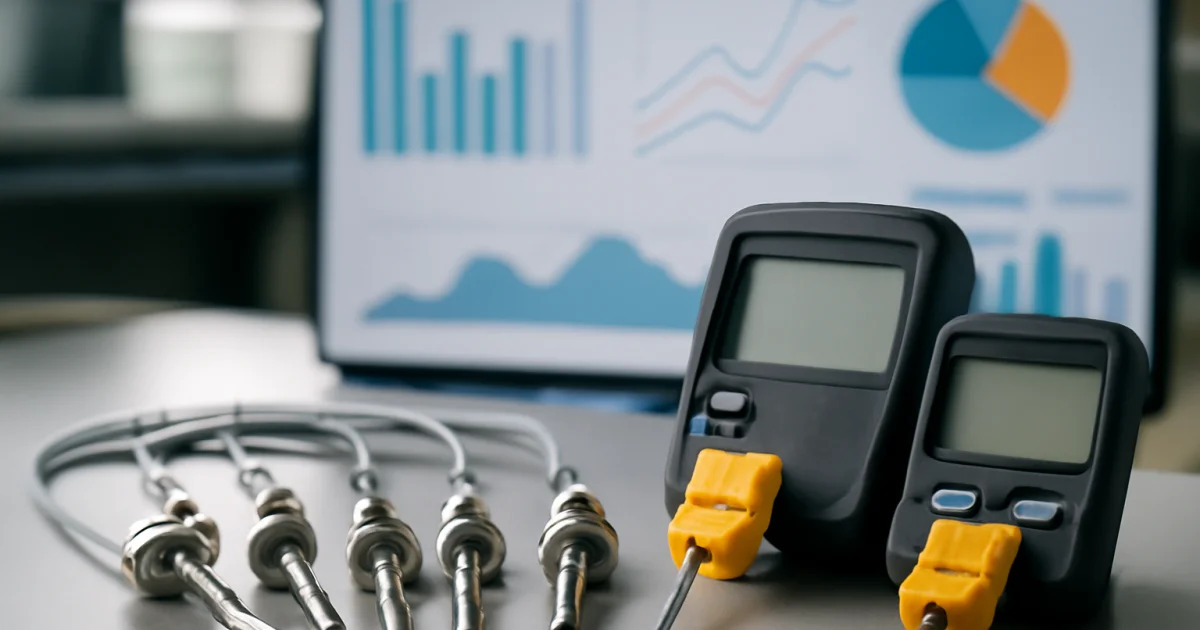
- Calibration: Schedule regular calibration checks against a reference standard to ensure continued accuracy, especially for critical applications.
- Replacement Planning: Keep spare sensors and compatible connectors on hand to minimise downtime during maintenance or unexpected failure. Sourcing from a reliable supplier ensures consistent quality and support.
Why Work with a Specialist Supplier in Malaysia?
Partnering with an experienced supplier like HQ Heating Sdn. Bhd. offers several advantages for manufacturers and system integrators:
- Technical Consultation: Access to application engineering support helps you match the right sensor design and accuracy class to your process.
- Custom Engineering: Customised sensor solutions can be fabricated for unique dimensions, voltages, or process conditions.
- Integrated Systems: One-stop sourcing for Pt100 sensors, thermocouples, temperature controllers, and process heating systems streamlines procurement and ensures compatibility.
- Quality Assurance: Established suppliers deliver products tested to international standards (IEC 60751, DIN EN) for peace of mind.
Conclusion: Ensuring Reliable Temperature Control for Malaysian Industry
Choosing the right Pt100 temperature sensor in Malaysia is a strategic investment in industrial process efficiency, safety, and product quality. By understanding your application’s requirements, selecting the appropriate sensor construction and wiring, and working with a knowledgeable supplier, you can ensure precise temperature monitoring for years to come.
Pt100 temperature sensors are at the heart of advanced process heating, industrial heater systems, and precision electronics manufacturing. For expert advice, engineered solutions, or to explore a full range of sensors, controllers, and industrial heating components, consider consulting with a proven industry partner.
For further reading on Pt100 sensors and related process control solutions, explore our comprehensive Pt100 temperature sensor guide and our full range of industrial sensors available in Malaysia.
Frequently Asked Questions
What is a Pt100 temperature sensor and how does it work?
A Pt100 temperature sensor is a platinum resistance thermometer with a resistance of 100 ohms at 0°C. It measures temperature by correlating the resistance change in platinum with temperature changes, providing high accuracy and stability for industrial applications.
How do I choose the right Pt100 sensor for my industrial process?
Select a Pt100 sensor based on your required accuracy, temperature range, environmental conditions, sensor construction, and wiring configuration. Consider factors like sheath material, connector type, and whether you need a custom solution for your machinery or process heating system.
Why is wiring configuration (2-wire, 3-wire, 4-wire) important?
Wiring configuration affects measurement accuracy. 2-wire sensors are simple but affected by lead resistance, while 3-wire and 4-wire configurations compensate for this, ensuring more accurate readings over long cable distances—critical for industrial and commercial heaters in Malaysia.
Can Pt100 sensors be used with temperature controllers and process indicators?
Yes, Pt100 sensors are widely compatible with digital temperature controllers, process meters, and automation systems. When integrated, they enable precise and automated heating control in manufacturing, electronics, and food processing industries.
Do I need to calibrate Pt100 temperature sensors regularly?
Regular calibration is essential, especially for applications requiring high accuracy. Scheduled calibration ensures reliability and compliance with quality control standards in sectors like electronics manufacturing and process heating.
Need the Right Pt100 Temperature Sensor in Malaysia?
HQ Heating Sdn. Bhd. offers expert consultation and a comprehensive selection of Pt100 temperature sensors, RTDs, thermocouples, and complete process heating solutions for Malaysian industry. Our custom-engineered products ensure precise temperature control, reliability, and compatibility with your process requirements. Contact our technical team today for tailored recommendations and seamless integration into your manufacturing or electronics operations.