Cartridge heaters are essential for precise and consistent heating in Malaysia’s manufacturing sector. Whether you are operating injection moulding machines, packaging lines, or industrial ovens, understanding how to install and maintain cartridge heaters ensures optimal performance, energy efficiency, and safety. This step-by-step tutorial is designed for factory engineers, maintenance teams, and machinery builders seeking reliable advice tailored for Malaysian industrial environments. For readers comparing options, Cartridge Heater Malaysia is the main topic this guide explains.
Understanding Cartridge Heaters in Malaysian Industry
Cartridge heaters are high-density, cylindrical heating elements engineered to deliver targeted, uniform heat to metal blocks, dies, platens, or other machine parts. Used widely in plastics, food processing, packaging, and electronics manufacturing, these heaters can achieve temperatures up to 800°C and are favored for their compact size, fast heating, and ease of integration into industrial equipment.
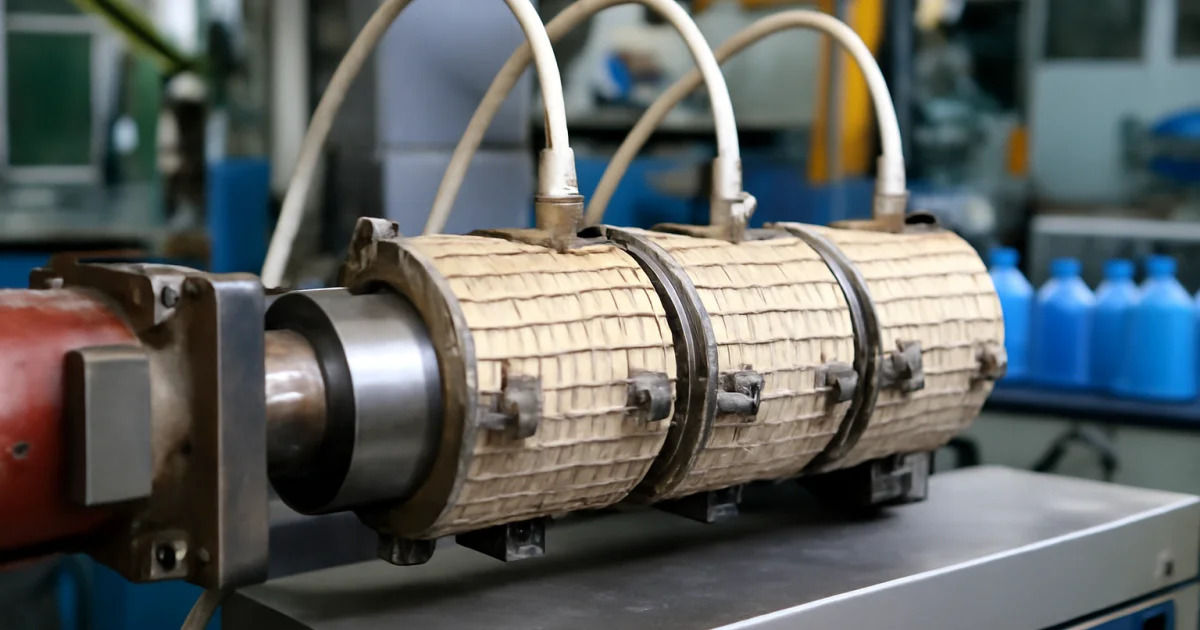
In Malaysia, cartridge heaters help factories maintain tight temperature control, reduce downtime, and meet strict production standards. Reliable heater performance is critical for quality output and energy savings, particularly in demanding applications such as plastic extrusion, moulding, and process automation.
Key Benefits of Proper Cartridge Heater Installation
- Longer Service Life: Correct installation reduces stress on the heating element, minimizing premature failure.
- Consistent Heating: Ensures uniform temperature distribution, vital for product quality and process consistency.
- Energy Efficiency: Maximizes heat transfer and minimizes energy waste.
- Safety: Reduces risk of electrical faults, overheating, or accidental burns.
By following industry best practices for installation and maintenance, Malaysian manufacturers can achieve lower operating costs and improved machine reliability.
Step 1: Selecting the Right Cartridge Heater for Your Application
Before installation, choosing the correct cartridge heater is vital. Consider the following factors:
- Dimensions: The heater diameter and length must match the bore or hole in the workpiece. A tight fit (typically a 0.05-0.1mm clearance) ensures proper heat transfer.
- Wattage and Voltage: Select wattage based on heat-up time and operating temperature. Ensure voltage matches your facility’s supply (commonly 220V or 240V in Malaysia).
- Sheath Material: Stainless steel is common for corrosion resistance in humid Malaysian environments.
- Lead Type: Choose flexible leads or threaded terminals depending on installation space and connection requirements.
- Sensor Integration: Some applications require built-in thermocouples or external temperature sensors for precise control.
Consult with a reputable supplier such as HQ Heating Sdn. Bhd. to ensure compatibility with your machinery and process needs.
Comparing Cartridge Heater Types for Malaysian Factories
When evaluating cartridge heaters, consider the differences between standard and high-watt density models. High-watt density heaters are designed for applications needing rapid heat-up and intense localized heating, but may require careful temperature control to avoid overheating. Standard watt density heaters are suitable for less demanding environments, offering a balance between longevity and performance. Also, consider whether to use straight or bent cartridge heaters, as bent types can accommodate space constraints in complex machinery layouts common in Malaysian factories.
Step 2: Preparing the Bore and Workpiece
Proper bore preparation is crucial for safe and efficient cartridge heater operation:
- Clean the Bore: Remove dust, oil, debris, and any corrosion using compressed air and a clean cloth. Surface contaminants reduce heat transfer and may cause hot spots.
- Check Bore Size: Use a calibrated gauge to confirm the bore diameter matches the heater. Undersized or oversized holes can cause poor heat transfer or damage the heater.
- Ensure Smooth Surfaces: Rough or pitted bores reduce contact area and can lead to local overheating. Ream or polish if necessary.
- Verify Bore Depth: The bore should be as deep as the heater length, with some allowance for wiring. Do not force the heater into a shallow hole.
Well-prepared bores maximize heater life and heating efficiency, particularly in applications requiring stable, repeatable temperatures.
Checklist for Bore Preparation
- Inspect for burrs or metal shavings that may damage the heater during insertion.
- Ensure the bore is dry, especially if cleaning solvents are used, as residual moisture can degrade insulation.
- Record bore dimensions in maintenance logs to track wear over time, which is especially useful for high-throughput Malaysian plants.
Step 3: Installing the Cartridge Heater – Step-by-Step Guide
- Inspect the Heater: Before installation, visually check for transit damage, bent leads, or sheath deformation.
- Apply Thermal Paste (Optional): Thermal conductive paste can improve heat transfer, especially in precision or high-power applications. Apply sparingly to avoid mess.
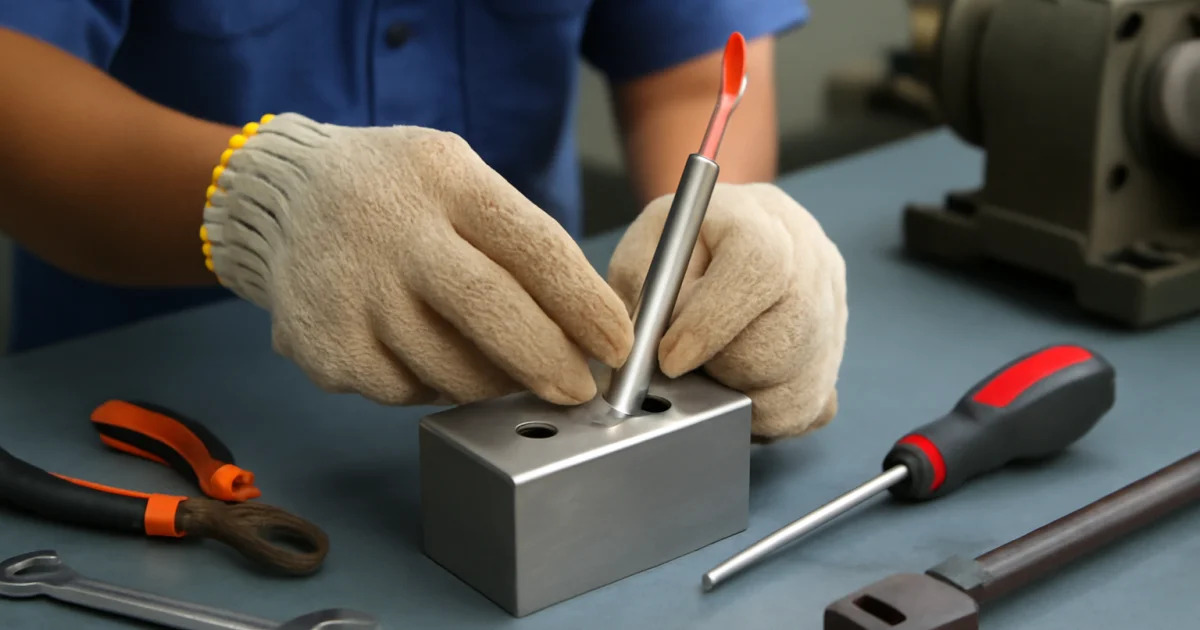
- Insert Heater Gently: Slide the cartridge heater into the bore by hand. Do not use excessive force, hammers, or tools that could damage the sheath.
- Check Alignment: Ensure the heater is seated fully and the leads are not pinched or stressed. Leads should extend out of the workpiece for safe connection.
- Secure Heater (If Needed): Use set screws, spring clips, or retaining plates if your equipment design requires them. Avoid over-tightening, which can crush the heater.
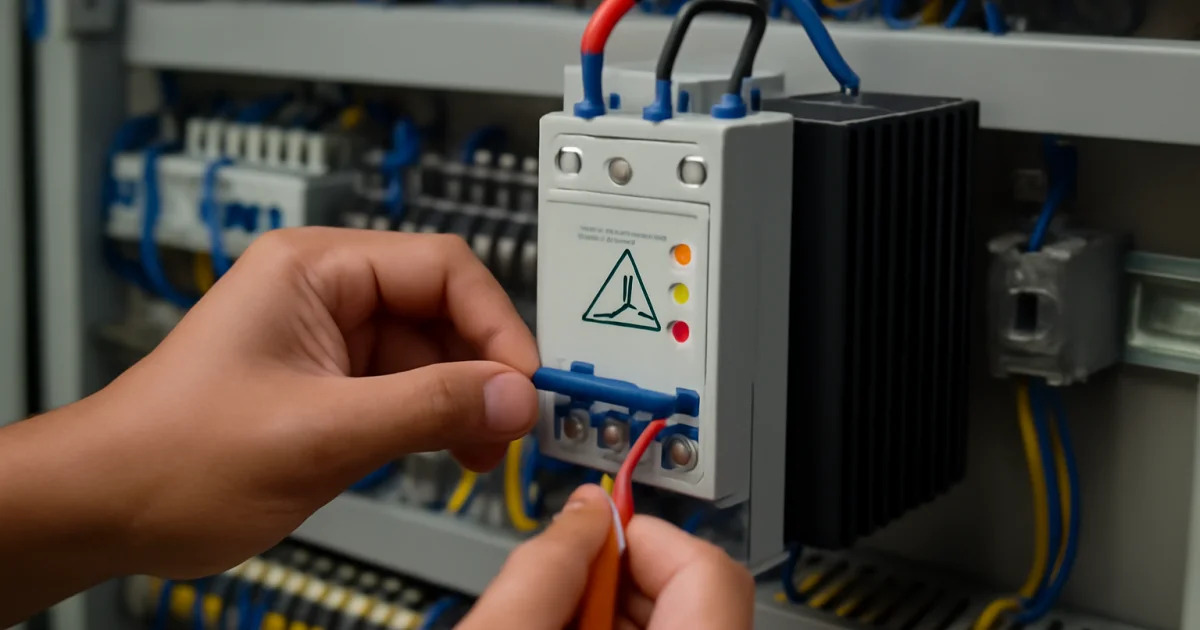
- Connect Power Leads: Wire the leads to the supply terminals according to your electrical diagram. Use heat-resistant connectors and ensure all terminals are tight.
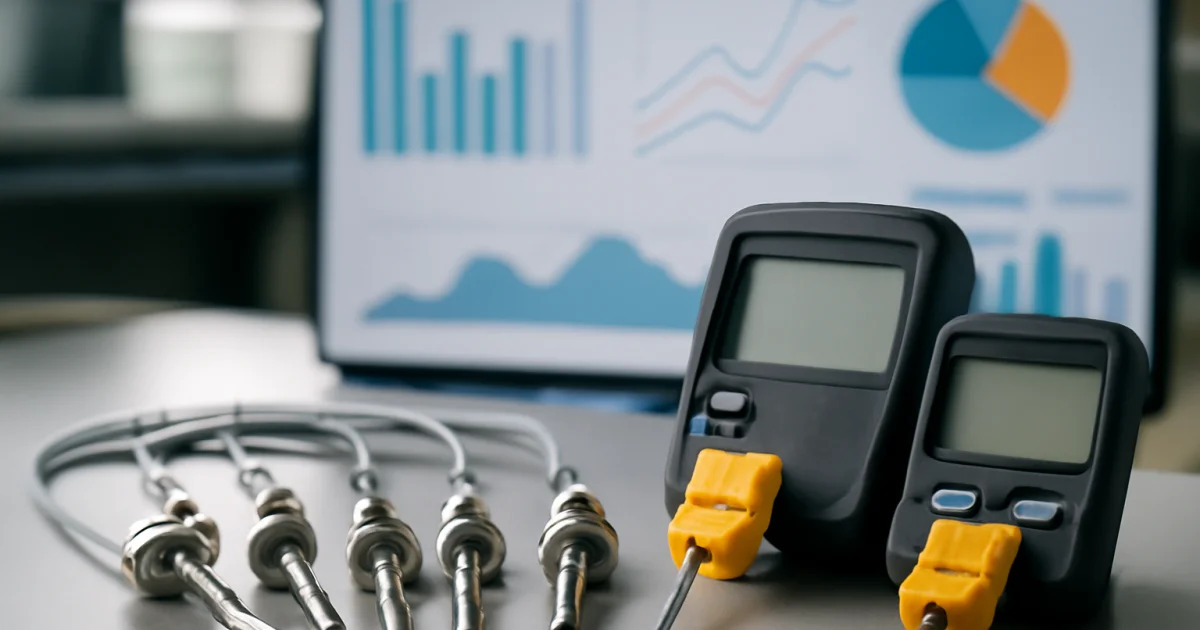
- Install Temperature Sensors: If using thermocouples or RTD sensors, position them close to the heater for accurate measurement. Secure sensor wiring away from high-heat zones.
- Verify Grounding: Confirm the heater and metal parts are properly grounded to prevent electrical hazards.
- Double-Check Connections: Review all wiring, connections, and mounting hardware for safety and compliance with Malaysian electrical regulations.
For detailed wiring and safety practices, always refer to your equipment’s manual and consult a certified electrician or maintenance professional.
Installation Tips for Malaysian Factories
- Label heater leads and sensor wires for easier troubleshooting during future maintenance.
- If your process involves frequent heater replacement, consider quick-disconnect terminals to reduce downtime.
- Install warning signage near exposed heater connections to alert technicians to high-temperature zones.
Step 4: Initial Start-Up and Testing
After installation, proceed with a careful start-up:
- Insulation Resistance Test: Use a megohmmeter to check insulation resistance between the heater lead and sheath. Values above 1 MΩ are typically acceptable.
- Low-Power Initial Run: Power up the heater at reduced voltage for 30–60 minutes to allow for moisture removal and gradual thermal expansion. This prevents thermal shock and extends heater life.
- Monitor Temperature: Use process indicators or temperature controllers to monitor temperature rise. Check for abnormal fluctuations or overheating.
- Visual Inspection: Watch for signs of smoke, unusual odors, or hot spots on the workpiece.
- Full Power Operation: Once verified, gradually bring the heater up to full operating voltage and temperature.
Proper commissioning reduces the risk of early failure and ensures stable operation in Malaysian industrial environments.
Testing Checklist
- Document test results for each installed heater, including baseline resistance readings and warm-up times.
- Set up automated alarms in your temperature control system to warn of over-temperature conditions during start-up.
- Record any issues observed during testing and address them before transitioning to full production.
Step 5: Routine Maintenance for Cartridge Heaters
Regular maintenance helps prevent costly downtime and extends heater lifespan:
- Periodic Inspection: Check heaters for signs of discoloration, deformation, or exposed wiring during scheduled shutdowns.
- Clean Heater and Bore: Remove buildup of dust, plastic, or other contaminants from the heater and bore. Use a soft brush or compressed air.
- Tighten Connections: Inspect and retighten electrical terminals and connectors as needed.
- Check Temperature Controls: Calibrate process controllers and sensors regularly to maintain accurate heating cycles.
- Monitor Performance: Note any drop in heating efficiency, slow warm-up, or uneven temperatures, which may signal impending failure.
- Replace Worn Components: Replace damaged leads, corroded connectors, or old cartridge heaters promptly.
Implementing a preventive maintenance schedule is especially important in Malaysia’s humid, high-duty production environments, where corrosion and contamination can accelerate heater wear.
Maintenance Best Practices
- Keep a detailed maintenance log for each machine, recording inspections, replacements, and calibration dates.
- Train operators to recognize early warning signs of heater degradation, such as erratic temperature control or unusual noises.
- Stock spare heaters and connectors to minimize downtime when replacement is needed urgently.
Common Installation and Maintenance Mistakes to Avoid
- Forcing a Heater into an Incorrect Bore Size: This can permanently damage the sheath or create poor thermal contact.
- Improper Lead Routing: Leads exposed to heat or mechanical stress may short-circuit or break.
- Skipping Insulation Resistance Testing: Failing to test for electrical insulation increases risk of short circuits and fire.
- Neglecting Preventive Maintenance: Overlooking regular checks can lead to sudden heater failure and production downtime.
- Incorrect Sensor Placement: Placing temperature sensors too far from the heater results in inaccurate temperature readings and poor control.
Avoiding these mistakes will help maintain consistent production quality and minimize costly repairs.
Best Practices for Cartridge Heater Performance and Longevity
- Use Process Controllers: Employ digital temperature controllers to prevent overheating and ensure accurate temperature cycles.
- Protect Against Moisture: Store spare cartridge heaters in dry conditions and preheat gently to remove moisture before installation.
- Choose Quality Heaters: Invest in cartridge heaters designed for Malaysian industrial conditions, with robust construction and reliable thermal insulation.
- Work with Experienced Suppliers: Partnering with specialists like HQ Heating Sdn. Bhd. ensures technical support, proper product selection, and access to custom heating solutions.
- Document Maintenance: Keep maintenance records to track heater performance and identify recurring issues early.
- Integrate Sensors: Pair cartridge heaters with thermocouples or RTD sensors for real-time monitoring and advanced process control.
Following these practices will help your facility achieve stable, efficient heating and reduce the risk of unplanned shutdowns.
Advanced Tip: Energy Monitoring for Malaysian Factories
Integrate energy meters with your heating system to track power consumption trends. Monitoring energy usage allows you to identify inefficiencies, schedule predictive maintenance, and justify heater upgrades for long-term cost savings. In competitive Malaysian industries, energy data can support sustainability goals and help achieve compliance with government efficiency standards.
Practical Example: Cartridge Heater Installation in a Malaysian Plastic Injection Moulding Line
Consider a plastic injection moulding facility in Selangor that needed to upgrade its heating system for improved cycle times and energy efficiency. The engineering team selected high-wattage, stainless steel cartridge heaters matched to the bore size of their mould platens. After cleaning and measuring the bores, they applied thermal paste and gently installed the heaters, ensuring all leads were routed away from moving parts. Insulation resistance tests passed, and the heaters were started at low power to condition them. Temperature controllers and PT100 sensors were set up for precise monitoring.
By following the outlined installation and maintenance steps, the factory reported reduced start-up times, improved product consistency, and minimal heater-related downtime over the following year. This real-world scenario demonstrates how best practices translate to lasting benefits in Malaysian manufacturing.
Additional Scenario: Retrofitting Old Equipment
Many Malaysian factories run legacy machines with outdated heating elements. Upgrading these systems with modern cartridge heaters often involves additional steps such as modifying bore dimensions, updating wiring, and integrating new temperature controls. It’s essential to conduct a feasibility assessment, comparing the cost of retrofitting versus replacement, and to test compatibility with existing process automation. Choosing the right supplier can ensure that custom-sized heaters and technical support are available for a successful retrofit.
Conclusion: Ensuring Reliable Heating for Malaysian Manufacturing
Cartridge heaters are a cornerstone of efficient, precise heating across Malaysia’s manufacturing industries. Proper installation and maintenance are essential for maximizing heater life, ensuring safety, and maintaining high production standards. By following the best-practice steps detailed in this guide—selecting the right heater, preparing the bore, careful installation, thorough testing, and ongoing maintenance—factory engineers and maintenance teams can deliver reliable heating performance for years to come.
If you require expert advice, custom solutions, or quality cartridge heater products for the Malaysian market, consult a trusted industrial heating supplier like HQ Heating Sdn. Bhd. for technical support and tailored recommendations.
For more on related heating solutions, see our guides on Industrial Electrical Heater Malaysia and Cartridge Heater selection.
Frequently Asked Questions
What is a cartridge heater and where is it used in Malaysian manufacturing?
A cartridge heater is a cylindrical, high-density heating element designed to deliver focused heat to metal parts, dies, platens, or machine components. In Malaysian manufacturing, cartridge heaters are widely used in plastic injection moulding machines, packaging equipment, food processing lines, and electronics production for applications requiring precise temperature control and rapid heating.
How do I choose the right cartridge heater size for my application?
To select the correct cartridge heater size, measure the bore diameter and length in your equipment. The heater should fit snugly with a clearance of 0.05–0.1mm for maximum heat transfer. Also, consider the required wattage, voltage, sheath material (such as stainless steel for corrosion resistance), and lead configuration based on your specific process and installation environment.
What are common signs of cartridge heater failure?
Typical signs of cartridge heater failure include slow heating, uneven temperature distribution, visible damage or discoloration of the heater, exposed or burnt wiring, and frequent tripping of temperature controllers. If you notice any of these issues, inspect the heater immediately and replace it if necessary to avoid production downtime.
How often should cartridge heaters be maintained in a factory setting?
Routine maintenance should be performed during scheduled equipment shutdowns or at least every 3–6 months, depending on usage intensity and the working environment. Regular checks include inspecting for physical damage, cleaning the bore and heater, tightening electrical connections, and calibrating temperature controllers and sensors.
Can cartridge heaters be used with humidity or temperature transmitters in industrial systems?
Yes, cartridge heaters can be integrated with humidity and temperature transmitters or industrial controllers to enable automated, precise process control. This setup allows factories to monitor and adjust heating in real time, enhancing efficiency and ensuring product quality, especially in sensitive manufacturing environments.
Get Expert Cartridge Heater Solutions for Malaysian Industry
Need reliable cartridge heaters or technical support for your Malaysian manufacturing facility? HQ Heating Sdn. Bhd. offers industrial-grade cartridge heaters, temperature sensors, and process controllers tailored for Malaysia’s demanding environments. Our experienced team provides custom engineering, installation advice, and after-sales support to keep your operations running smoothly. Contact us today to discuss your heating requirements and receive a tailored solution.